
Walking the Quiet: Denali’s Backcountry Tour Through Boreal and Tundra
A naturalist-led wander that swaps crowds for quiet and turns Denali’s subarctic into your field notebook.
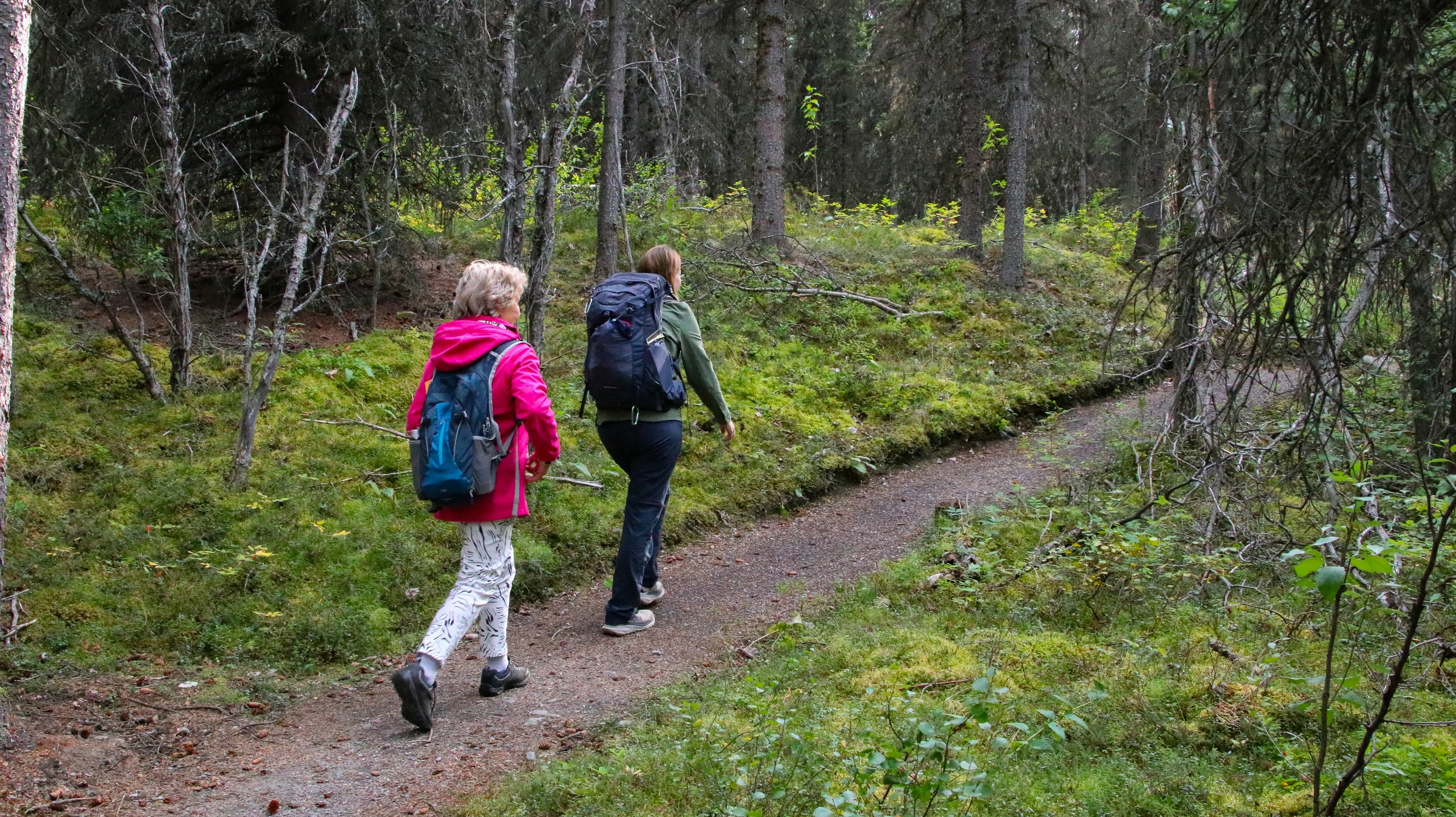
The spruce seem to lean in as if they have a secret, their dark needles combing the morning wind. A raven cuts a low arc across the sky and the tundra breathes—soft, springy, alive beneath your boots. On Denali’s lesser‑traveled footpaths, the noise of the world falls behind quickly. The guide—part field biologist, part storyteller—points out a scatter of tracks pressed into damp duff: moose wandered through at dawn, the ground still keeping the print as if unwilling to let the moment go. Here, even silence has a pulse.
Trail Wisdom
Layer for fast-changing weather
Subarctic conditions swing quickly—wear moisture-wicking base layers and a waterproof shell even on bluebird mornings.
Mind your footing on tundra
The ground can be uneven and springy over permafrost-influenced soils; use trekking poles if you prefer extra stability.
Give wildlife space
Maintain at least 25 yards from moose and 300 yards from bears; your guide will set the buffer—follow their lead.
Beat the midday bus rush
Morning or late-afternoon departures are quieter and offer softer light for photos and cooler temperatures.
Local Knowledge
Hidden Gems
- •Horseshoe Lake overlook near the park entrance for evening alpenglow reflections
- •Otto Lake in Healy for quiet vistas and potential loon sightings
Wildlife
Moose, Dall sheep
Conservation Note
Denali limits private vehicle access on the park road to minimize disturbance. Stay on durable surfaces and pack out all waste to protect sensitive tundra and riparian habitats.
Established in 1917 to protect Dall sheep, the park reclaimed its Koyukon Athabascan name—Denali, 'The High One'—in 2015.
Seasonal Guide
spring
Best for: Birdwatching, Cool temperatures
Challenges: Mud and lingering snow patches, Unpredictable storms
May–early June brings migratory birds and awakening forest; trails can be wet, so waterproof shoes matter.
summer
Best for: Long daylight hours, Wildflower viewing
Challenges: Mosquitoes, Afternoon showers
June–July delivers near-constant light and lush growth; carry repellent and a light rain shell.
fall
Best for: Tundra colors, Fewer insects
Challenges: Cooler, windy days, Shortening daylight
Late August–early September lights the tundra red and gold; pack warmer layers and gloves.
winter
Best for: Solitude, Northern lights (outside tour season)
Challenges: Extreme cold, Limited access
Guided walking is primarily a summer/shoulder activity, but off-season visits can reward with aurora on clear nights.
Photographer's Notes
What to Bring
Waterproof hiking shoes or bootsEssential
Uneven, occasionally damp ground makes ankle support and dry feet important.
Lightweight waterproof shellEssential
Frequent showers and wind are common even on sunny days.
Insect repellent or head net
Mosquitoes can be active in early–mid summer along forested sections.
Binoculars (8x or 10x)
Spot distant Dall sheep, birds, and moose without encroaching on wildlife.
Common Questions
How far is the walk and what is the pace?
Expect 3–4 miles over 2.5–3 hours at an easy, conversational pace with frequent stops for interpretation.
Is this tour suitable for kids?
Yes. Ages 5 and up who can walk or be carried for up to 3 miles are welcome when accompanied by an adult.
What should I wear?
Closed-toe hiking shoes, moisture-wicking layers, a waterproof jacket, and a hat. Bring gloves and a warm layer in fall.
Will I see wildlife?
Wildlife sightings are not guaranteed, but moose, small mammals, and birdlife are common; distant views of Dall sheep are possible.
What happens in bad weather?
Light rain is part of the experience and the tour runs with appropriate gear; severe weather may delay or cancel for safety.
Are trekking poles or overboots provided?
Yes. The outfitter has trekking poles, rain gear, water, and overboots available; bring your own essentials for comfort.
What to Pack
Waterproof hiking shoes: uneven, occasionally wet ground; Lightweight rain shell: wind and pop-up showers are common; Insect repellent: mosquitoes can be active in early–mid summer; Reusable water bottle: stay hydrated over 3–4 miles without adding trash.
Did You Know
Denali, at 20,310 feet, is North America’s highest peak, and the park has only one 92-mile road, most of which is restricted to shuttle buses in summer to protect wildlife and landscapes.
Quick Travel Tips
Book morning or late-day tours for better light and fewer visitors; Plan 2 hours from Fairbanks or 4.5 from Anchorage by car; Bring binoculars—wildlife viewing is best at a distance; Expect limited cell service—download maps and confirmation details before arrival.
Local Flavor
After your walk, refuel at 49th State Brewing in Healy for halibut tacos and a pint, or head to Prospector’s Pizzeria in Denali Park for a local pie. If you’ve got extra time, stroll the Denali Visitor Center exhibits or check the Murie Science and Learning Center for evening ranger talks.
Logistics Snapshot
Closest airports: Fairbanks (FAI, ~2 hours) or Anchorage (ANC, ~4.5 hours). Trailhead areas are near the Denali Park entrance. From Healy, it’s roughly 11 miles to the entrance. Cell coverage is intermittent to poor; print or save confirmations offline. No permits required for this guided walk; standard park entrance fees apply for other activities.
Sustainability Note
Denali’s tundra is fragile—step on durable surfaces, resist shortcutting, and pack out all trash. Give wildlife generous space and let the landscape set the pace.
Continue Reading

Canyon Wave: Rafting Denali’s Glacial Heart on the Nenana River
The Nenana River doesn’t whisper—it urges you forward. On the Canyon Wave run, you’ll punch through crisp, glacial rapids beneath Denali’s ramparts, trading roadside views for a front-row seat to Alaska’s wild hydraulics. Cold water, big smiles, and a canyon that knows how to keep pace.
Healy, Alaska
Chasing Light in Denali: An Afternoon Hike Across Taiga and Tundra
Trade the tour bus for tundra. This guided afternoon hike threads from shadowed spruce to open ridgeline, where Denali’s valleys breathe wide and the wind calls the cadence. Come for the views, stay for the stories beneath your boots.
Denali Park, Alaska