

Steam on the Water: Kayaking Yellowstone Lake’s West Thumb at Sunrise or Sunset
Small-group naturalist-led paddles past geothermal shores on America’s largest high-elevation lake
Morning comes on softly at Grant Village Marina. The lake is a mirror, a sheet of steel-gray stretching to the curve of distant peaks. Steam skates across the surface where geothermal vents breathe into the cold water, and the shoreline gurgles to life with low, living sounds. You slide a kayak into Yellowstone Lake, settle into the cockpit, and feel the altitude in your lungs—7,733 feet above sea level—and the quiet pressure of a massive caldera below. The lake doesn’t just sit here; it speaks in murmurs. It nudges, it dares, it sets a rhythm you’ll follow for the next few hours.
Trail Wisdom
Choose your kayak wisely
If you’re new to paddling or concerned about wind, opt for a double kayak with a rudder for easier tracking and shared effort.
Beat the wind
Morning departures are the most reliable for calmer water; sunset tours often see winds drop again—midday is when chop and thunderstorms build.
Dress for cold water, not air temps
Even in summer, Yellowstone Lake is frigid. Wear synthetic layers and a windproof shell; avoid cotton.
Respect the thermal margin
Give steaming shoreline features extra space; submerged vents can be unstable and dangerously hot right at the edge.
Local Knowledge
Hidden Gems
- •Lake Butte Overlook for sweeping evening views of the lake
- •Natural Bridge Trail near Bridge Bay for a short, quiet walk after the paddle
Wildlife
Bald eagle, Elk
Conservation Note
Stay well clear of thermal features from the water—shoreline habitats are fragile, and submerged vents can be unstable. Pack out all trash and minimize wake near nesting birds.
West Thumb is a smaller caldera within the greater Yellowstone Caldera, formed by a volcanic explosion roughly 150,000 years ago.
Seasonal Guide
spring
Best for: Quiet shorelines, Cool temperatures
Challenges: Ice cover lingering into May, Unpredictable weather and closures
Early season paddling can be limited; Yellowstone Lake often remains partially frozen into late May. Check opening dates and weather windows.
summer
Best for: Consistent tour availability, Wildlife viewing, Long daylight
Challenges: Afternoon winds and whitecaps, Crowds on park roads
Prime time for morning and sunset tours; expect stable operations, strong sun, and daily wind cycles by midday.
fall
Best for: Crisp air and golden light, Fewer crowds
Challenges: Rapid weather shifts, Shorter days and cooler water temps
A beautiful shoulder season with calmer feel and great photography; dress warmer and watch for early storms.
winter
Best for: Snowy vistas from shore
Challenges: Lake is frozen, Boating is closed, Limited road access
No kayaking—roads and services are restricted. Consider guided snow travel or wait for thaw.
Photographer's Notes
What to Bring
Windproof/water-resistant shellEssential
Yellowstone Lake generates sudden breezes—block wind chill and spray, especially in shoulder seasons.
Sun protection (hat, sunglasses, reef-safe sunscreen)Essential
High elevation means stronger UV; protect skin and eyes during reflective lake conditions.
Closed-toe water shoesEssential
Keep your feet warm and protected during launches and landings on rocky shores.
Compact dry bag (5–10L)
Safeguard your phone, layers, and snacks from paddle drip and the occasional splash.
Common Questions
Do I need prior kayaking experience?
No. Beginners are welcome, and guides provide basic instruction. Double kayaks with rudders are available for easier handling.
How far do we paddle and how long is the tour?
Expect about five miles of paddling over 3 to 3.5 hours, timed to avoid typical afternoon winds.
Is the water cold and what should I wear?
Yes—Yellowstone Lake remains cold year-round. Wear synthetic or wool layers and a windproof shell; avoid cotton.
What’s the minimum age and can kids paddle?
The minimum age is 7. Children under 14 must ride in a double kayak with an adult.
What happens if the weather turns bad?
Tours avoid the windiest hours and may be canceled or rescheduled for safety. Weather-related cancellations receive a full refund.
Where do we meet and is parking available?
Meet at Grant Village Marina inside Yellowstone National Park; parking is available, but arrive early to allow for park traffic.
What to Pack
1) Synthetic base layer and wind shell: High-elevation wind and cold water demand quick-dry, insulating clothing; 2) Sun hat and polarized sunglasses: UV is stronger at altitude and glare off the lake is intense; 3) Closed-toe water shoes: Protect your feet during launches and landings on rocky, cold shallows; 4) 1–2 liters of water and high-energy snack: Hydration and calories help offset altitude and steady paddling.
Did You Know
Yellowstone Lake is the largest freshwater lake above 7,000 feet in North America, covering about 136 square miles at an elevation of 7,733 feet.
Quick Travel Tips
Arrive 30–45 minutes early to navigate park traffic and parking; Bring your park pass or be prepared to pay the entry fee at the gate; Plan meals around tour times—Grant Village Dining Room is five minutes from the marina; Carry a paper map—cell service is spotty to nonexistent around the lake.
Local Flavor
Post-paddle, head to Grant Village Dining Room for trout and lake views, or make the short drive to the Lake Yellowstone Hotel Sunroom for a classic piano-accompanied cocktail. If you’re basing in West Yellowstone, refuel at Wild West Pizzeria & Brewing—solid pies, cold beer, and a lively scene after a day on the water.
Logistics Snapshot
Closest airports: Jackson Hole (JAC) and West Yellowstone (WYS, seasonal). Meet at Grant Village Marina inside Yellowstone National Park. Driving distance from West Yellowstone: ~70 miles, plan 2 hours with traffic and bison jams. Cell service: Limited to none at the marina. Permits: Park entry fee required; guided guests do not need separate boating permits.
Sustainability Note
Paddle softly and maintain distance from nesting birds and thermal margins. This is a sensitive geothermal and wildlife area—pack out all trash, avoid landing near active features, and follow your guide’s instructions to minimize impact.
Continue Reading

Canyon Wave: Rafting Denali’s Glacial Heart on the Nenana River
The Nenana River doesn’t whisper—it urges you forward. On the Canyon Wave run, you’ll punch through crisp, glacial rapids beneath Denali’s ramparts, trading roadside views for a front-row seat to Alaska’s wild hydraulics. Cold water, big smiles, and a canyon that knows how to keep pace.
Healy, Alaska
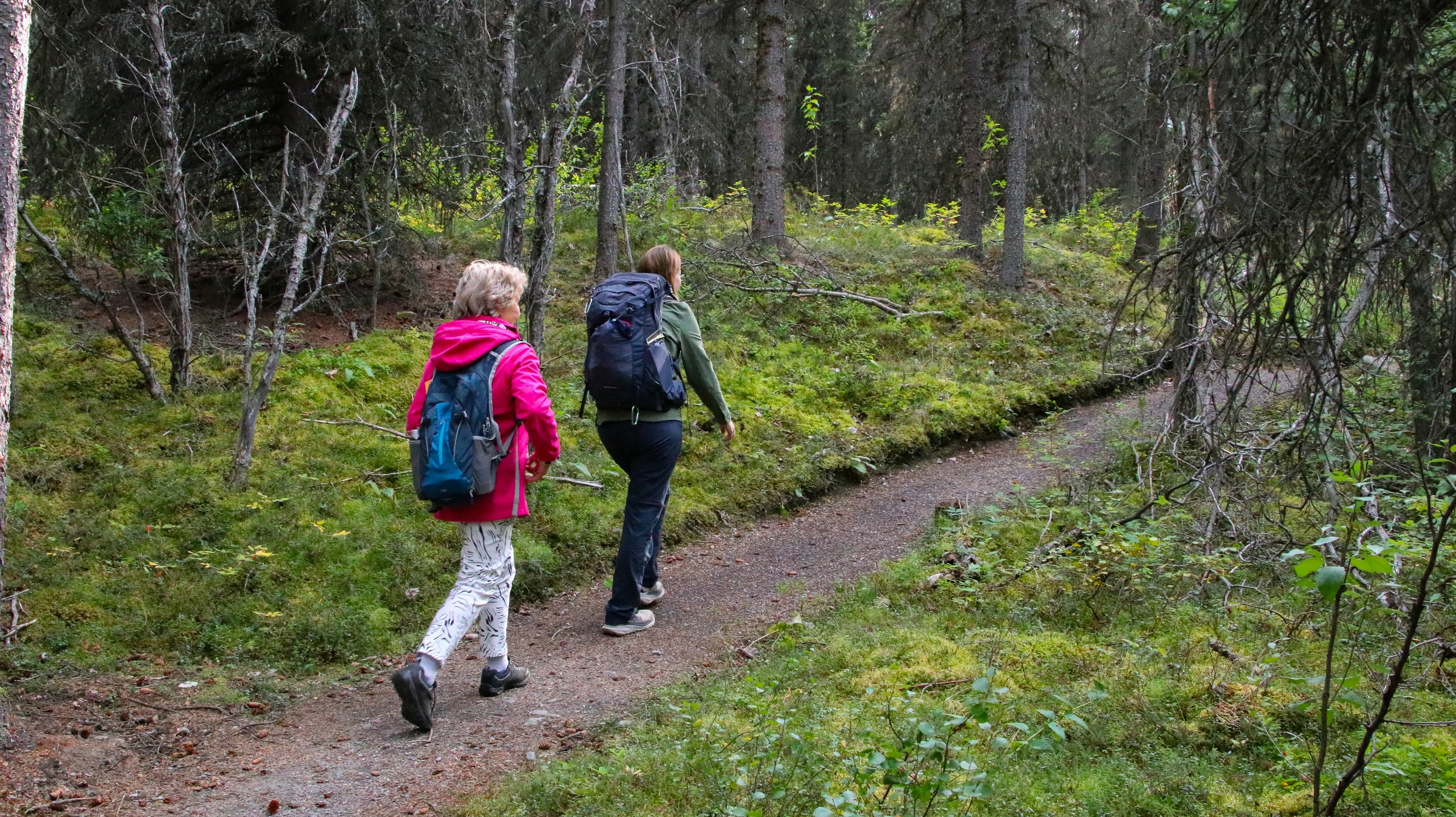
Chasing Light in Denali: An Afternoon Hike Across Taiga and Tundra
Trade the tour bus for tundra. This guided afternoon hike threads from shadowed spruce to open ridgeline, where Denali’s valleys breathe wide and the wind calls the cadence. Come for the views, stay for the stories beneath your boots.
Denali Park, Alaska