

Paddling the Geysers: A Day on Yellowstone Lake’s West Thumb
Steam, shoreline geysers, and a five-hour glide through Yellowstone’s volcanic heart
At the Grant Village marina, the lake exhales a thin breath of steam, and the kayaks nose the shoreline like curious elk. Early light pins West Thumb in a clean alpine glow while the water asks for patience, then dares you to slip in. A guide runs through paddle strokes and safety, and the hull hums when it kisses the surface—cold, clear, and impossibly blue. You push off and Yellowstone Lake pulls you into its rhythm: a steady, glacial heartbeat beneath a sky that changes its mind every few minutes. This is a five-hour glide along the caldera’s rim, where geysers mutter at the edge of the water and hot springs simmer just below your bow.
Trail Wisdom
Launch Early for Calmer Water
Mornings on Yellowstone Lake are typically calmer; afternoon winds can build chop and slow your return.
Dress for Cold Water, Not Air
Synthetic layers and a windproof shell keep you comfortable when paddle drip and gusts add chill—even on warm days.
Hug the Shoreline
Staying close to shore offers the best view of underwater vents and provides a safety buffer if winds increase.
Respect Thermal Boundaries
Never land on or approach steaming ground or fragile sinter shelves; obey closures to protect yourself and the features.
Local Knowledge
Hidden Gems
- •Potts Geyser Basin by water—primitive and sign-free, seen best from a kayak
- •Quiet pocket beaches between Grant Village and West Thumb offering calm snack stops
Wildlife
Osprey, Trumpeter swans
Conservation Note
Yellowstone Lake is critical habitat for native cutthroat trout—clean, drain, and dry gear to prevent aquatic invasive species, and keep clear of fragile thermal shorelines.
West Thumb is a smaller caldera nested within the larger Yellowstone Caldera, formed by a later eruption roughly 150,000 years ago.
Seasonal Guide
spring
Best for: Quiet shores, Wildlife viewing
Challenges: Cold water and air temps, Possible lingering ice
Early season paddles can be serene and chilly. Dress warm and expect rapidly changing weather.
summer
Best for: Stable conditions, Long daylight
Challenges: Afternoon thunderstorms, More boat traffic near marinas
Peak season brings warmer air and busier shores; start early to beat wind and crowds.
fall
Best for: Crisp air and fewer crowds, Clear light for photography
Challenges: Shorter days, Colder mornings and potential storms
Autumn delivers quiet water and gold-toned forests; pack extra layers and a warm hat.
winter
Best for: Snow scenery from shore
Challenges: Lake access not suitable for paddling, Severe cold and closures
Kayaking isn’t offered in winter; consider snow-based activities and enjoy lake vistas from park overlooks.
Photographer's Notes
What to Bring
Windproof/Rain ShellEssential
Blocks chill from paddle drip and sudden gusts, and doubles as rain protection if storms pop up.
Synthetic Base LayersEssential
Quick-drying fabrics keep you warm when splashes and wind meet cool air.
Water Shoes or Sandals with Heel StrapEssential
Secure footing for launching and landing on pebbly beaches without soaking your hiking shoes.
Small Dry Bag
Keeps your phone, camera, and extra layers dry during paddle drip or a surprise squall.
Common Questions
Do I need previous kayaking experience?
No. The trip includes instruction on technique and safety, and the pace is set for beginners to feel comfortable.
Will I get wet, and is the water cold?
Expect paddle drip and splashes. Yellowstone Lake stays cold year-round, so dress in synthetics and bring a windproof shell.
Are single and tandem kayaks available?
Yes. You can choose a single kayak or a tandem; children ages 5–12 must ride with an adult.
Is lunch included?
Yes. A deli-style picnic lunch on a secluded beach is included with the day paddle.
What wildlife might I see?
Common sightings include osprey, bald eagles, and trumpeter swans. Elk or bison may appear along the shoreline—observe from a safe distance.
What happens if the weather turns?
The outfitter monitors conditions and may adjust timing or route for safety. Bring layers and a rain shell; the trip runs in light rain.
What to Pack
Windproof shell; Synthetic layers; Sun protection (hat, sunglasses, SPF); Water shoes or sandals with heel strap—each combats cold water, intense UV at altitude, and slick, pebbly launches.
Did You Know
Yellowstone Lake is the largest high-elevation lake in North America above 7,000 feet, spanning roughly 132 square miles.
Quick Travel Tips
Arrive 15–20 minutes early to sort gear and paperwork; Fuel up—there’s limited food outside park hubs; Check road condition updates on the NPS site; Build in extra drive time—park speed limits and wildlife jams are routine.
Local Flavor
Post-paddle, nab a lakeside table at the Grant Village Dining Room for trout or a bison burger with a view. If you’re overnighting in West Yellowstone, refuel at Wild West Pizzeria or sip a local brew at Madison Crossing Lounge. Coffee to go? The Yellowstone General Store near Grant has quick caffeine and snacks.
Logistics Snapshot
Closest airports: West Yellowstone (WYS, seasonal), Jackson Hole (JAC), and Bozeman (BZN). Meet/launch: Grant Village Marina in Yellowstone National Park. Drive time: About 1.5 hours from West Yellowstone (traffic and wildlife can add time). Cell service: Spotty to nonexistent. Passes: A valid park entry pass is required; no special paddling permit for this guided trip.
Sustainability Note
Thermal features and sinter crusts are fragile—land only on durable, non-thermal shorelines. Keep at least 25 yards from most wildlife (100 yards from bears/wolves) and pack out every scrap. Decontaminate gear to prevent aquatic invasive species.
Continue Reading

Canyon Wave: Rafting Denali’s Glacial Heart on the Nenana River
The Nenana River doesn’t whisper—it urges you forward. On the Canyon Wave run, you’ll punch through crisp, glacial rapids beneath Denali’s ramparts, trading roadside views for a front-row seat to Alaska’s wild hydraulics. Cold water, big smiles, and a canyon that knows how to keep pace.
Healy, Alaska
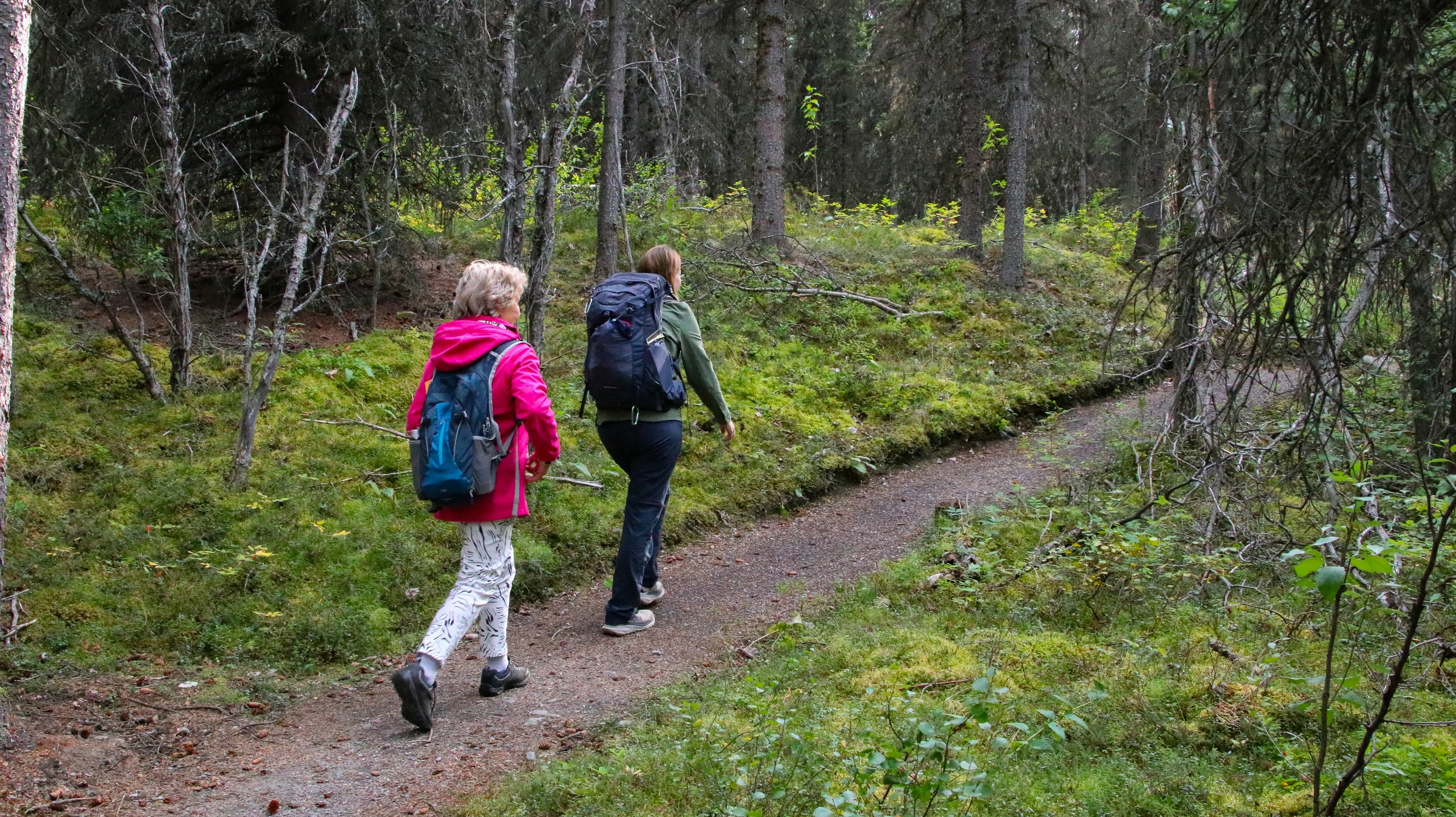
Chasing Light in Denali: An Afternoon Hike Across Taiga and Tundra
Trade the tour bus for tundra. This guided afternoon hike threads from shadowed spruce to open ridgeline, where Denali’s valleys breathe wide and the wind calls the cadence. Come for the views, stay for the stories beneath your boots.
Denali Park, Alaska