

Paddle the West Thumb: A Private Kayak Tour on Yellowstone Lake
Steam, shoreline, and a guide who sets the pace—West Thumb by kayak, your way.
Dawn finds Yellowstone Lake calm as glass, the mountains holding their breath while steam unspools from the earth. You slide a kayak off the pebbled shore and the water—cold, startling, alive—greets your bow. A raven shadows your launch from a snag, offering commentary in rough-throated croaks. Across the bay, geysers simmer at the edges of the West Thumb Geyser Basin, teasing the surface with pale smoke like a campfire that refuses to die. The lake stirs, and the current nudges you forward as if to say: your move.
Trail Wisdom
Start Early for Smooth Water
Morning typically brings calmer conditions on Yellowstone Lake; winds often build by late morning to afternoon.
Layer for High Elevation
At ~7,733 feet, temperatures swing fast—pack a windproof layer, warm hat, and light gloves even in midsummer.
Respect Thermal Closures
Keep a wide berth from shoreline thermal features and observe posted watercraft restrictions around West Thumb.
AIS and Permits
All watercraft in Yellowstone require Aquatic Invasive Species inspection and a park boating permit—confirm your outfitter handles this.
Local Knowledge
Hidden Gems
- •West Thumb boardwalk at sunrise—steam meets first light for dramatic contrasts
- •Lake Overlook Trail above West Thumb for a quiet, big-sky vantage
Wildlife
Osprey and bald eagles, Trumpeter swans and river otters
Conservation Note
Preventing aquatic invasive species is a park priority—clean, drain, and dry gear. Respect thermal-area closures and avoid landing near fragile shorelines.
West Thumb is a smaller caldera formed about 150,000 years ago within the larger Yellowstone Caldera; the lake’s thermal features were noted by early expeditions and protected when the park was established in 1872.
Seasonal Guide
spring
Best for: Solitude, Cool, crisp mornings
Challenges: Ice-out varies, Frigid water, Limited services
Early season can be quiet but cold. Conditions shift quickly; tours may start later in spring depending on ice and wind.
summer
Best for: Stable weather windows, Family trips, Wildlife viewing
Challenges: Afternoon winds, Strong sun at altitude, Busy park roads
Prime paddling season with long daylight and generally calmer mornings—book ahead and launch early.
fall
Best for: Golden aspen color, Quieter shores
Challenges: Cooler temps, Sudden storms, Some services close
Crisp air and fewer crowds make for beautiful paddles; dress warmer and watch the forecast closely.
winter
Best for: N/A for kayaking
Challenges: Lake ice and extreme cold, Seasonal closures
Kayaking is not offered in winter; consider snow-based park experiences instead.
Photographer's Notes
What to Bring
Synthetic Base LayersEssential
Quick-drying tops and bottoms help regulate temperature in changing mountain weather.
Waterproof/Windproof ShellEssential
A light rain jacket blocks wind on open water and protects against passing showers.
Closed-Toe Water ShoesEssential
Feet may get wet at launch and landing; secure footwear protects against slick, rocky shorelines.
Small Dry Bag
Keeps phone, snacks, and an extra layer safe from splashes and spray.
Common Questions
Do I need prior kayaking experience?
No—guides tailor the route and coaching to your comfort level. Basic fitness and willingness to paddle are the main requirements.
What ages can join?
This private tour welcomes ages 4 and up, with single, double, or triple kayaks to suit families and groups.
How cold is the water?
Even in summer, Yellowstone Lake remains very cold. Dress in layers and follow your guide’s clothing recommendations.
Are boating permits and AIS inspections required?
Yes. Yellowstone requires a boating permit and Aquatic Invasive Species inspection for all watercraft. Outfitters typically manage these steps.
What wildlife might we see?
Common sightings include ospreys, bald eagles, waterfowl, and occasionally elk or bison along the shore. All wildlife should be viewed at safe distances.
What if the wind picks up?
Guides constantly assess conditions and may adjust the route, reschedule, or end early for safety. Morning launches reduce wind exposure.
What to Pack
Windproof shell for sudden gusts; synthetic mid-layer for high-altitude chills; closed-toe water shoes for wet launches; high-SPF sunscreen and brimmed hat for strong alpine sun reflected by the lake.
Did You Know
Yellowstone Lake is the largest high-elevation lake in North America, sitting at about 7,733 feet, and West Thumb contains underwater geysers and hot springs visible from shore and by boat at a safe distance.
Quick Travel Tips
Enter the park early to beat road traffic; plan extra drive time—distances inside Yellowstone take longer than maps suggest; bring snacks and water—services around Grant Village can be limited or busy; download offline maps as cell service is spotty.
Local Flavor
Post-paddle, grab a lakeside drink at Lake Yellowstone Hotel or a hearty meal at Grant Village Dining Room. If you’re staying in West Yellowstone, locals swear by Madison Crossing Lounge for bison burgers and a solid craft beer list.
Logistics Snapshot
Closest airports: Jackson Hole (JAC), Bozeman (BZN), and Idaho Falls (IDA). Launch area: near West Thumb/Grant Village in Yellowstone National Park. Drive time: ~1.5–2 hours from West Yellowstone, depending on traffic. Cell service: limited to none—download details beforehand. Permits: Yellowstone boating permit and AIS inspection required for all watercraft.
Sustainability Note
This high-country lake is cold, fragile, and vital for native cutthroat trout—clean, drain, and dry gear, keep a respectful buffer from thermal shorelines, and pack out everything you bring.
Continue Reading

Canyon Wave: Rafting Denali’s Glacial Heart on the Nenana River
The Nenana River doesn’t whisper—it urges you forward. On the Canyon Wave run, you’ll punch through crisp, glacial rapids beneath Denali’s ramparts, trading roadside views for a front-row seat to Alaska’s wild hydraulics. Cold water, big smiles, and a canyon that knows how to keep pace.
Healy, Alaska
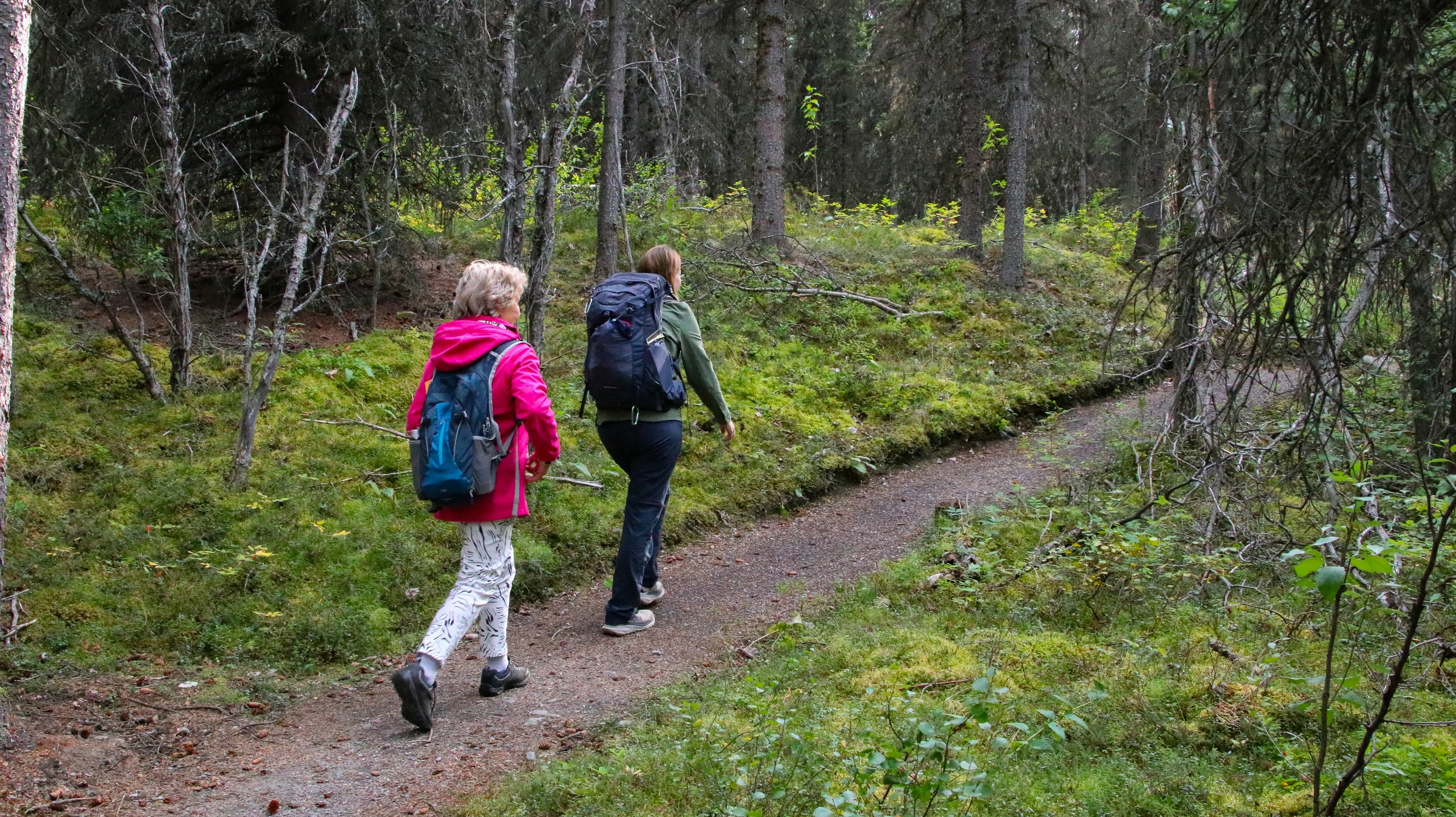
Chasing Light in Denali: An Afternoon Hike Across Taiga and Tundra
Trade the tour bus for tundra. This guided afternoon hike threads from shadowed spruce to open ridgeline, where Denali’s valleys breathe wide and the wind calls the cadence. Come for the views, stay for the stories beneath your boots.
Denali Park, Alaska