

Heli-Glacier Expedition: Landing on Yanert Ice Beyond Denali
Fifty airborne minutes, twenty on ancient ice—no crowds, just you and the Alaska Range.
The helicopter banks toward a sweep of white so bright it erases the horizon. Granite spires rise like watchmen. The Alaska Range feels alive—wind shouldering the rotors, clouds rearranging themselves as if making room. Then the skids touch down on the Yanert Glacier with a gentle shrug, and the world drops into an electric hush. You step out into cold air that smells like snowmelt and stone. The ice beneath you crackles softly, as if the glacier is clearing its throat, reminding you it’s been here far longer than any of us and will keep moving, inch by patient inch, long after we’re gone.
Trail Wisdom
Layer Like an Alaskan
Bring a windproof shell over warm midlayers—katabatic breezes off the glacier can chill fast even on sunny days.
Boots Matter on Ice
Wear waterproof, over-the-ankle boots with good tread to handle slick, uneven glacier surfaces safely.
Protect Your Eyes
Glare off snow and ice is intense—polarized sunglasses reduce eye strain and sharpen contrast for better photos.
Pack Light, Secure Everything
Rotor wash is strong; keep straps stowed and gear minimal so boarding and deplaning stay smooth and safe.
Local Knowledge
Hidden Gems
- •Otto Lake near Healy for calm, reflective views of the Alaska Range at sunset
- •Bison Gulch Trail pullout for a short, steep ridge walk with big Nenana River views
Wildlife
Dall sheep, Golden eagles
Conservation Note
Glaciers hold delicate micro-ecosystems—avoid stepping into melt pools and pack out all microtrash. Support flight operators who minimize wildlife disturbance and noise.
Athabascan peoples traveled these valleys for millennia; in the modern era, helicopters expanded access to the Alaska Range, aiding climbers and scientists alike.
Seasonal Guide
spring
Best for: Clear, crisp air, Dramatic cloudscapes
Challenges: Unstable weather, Cold temps on the glacier
Early-season flights can be breathtaking with fresh snow accents on peaks; expect colder ice time and variable winds.
summer
Best for: Longest daylight, Warmer temps for glacier walking
Challenges: Potential midday turbulence, High demand for bookings
Prime season for steady ops and big views—book ahead and aim for morning flights for calmer air.
fall
Best for: Golden tundra colors, Fewer crowds
Challenges: Shorter daylight, Rapidly changing weather
Autumn paints the valleys and often brings crisp visibility; dress warmer and keep schedules flexible.
winter
Best for: Snow-draped peaks, Crystal-clear cold air
Challenges: Limited daylight, Harsh cold and seasonal availability
If operating, winter flights can be spectacular but demand serious cold-weather prep and tight timing.
Photographer's Notes
What to Bring
Waterproof Hiking BootsEssential
Provide traction and ankle support on slick, uneven glacier ice and wet landings.
Insulating Layers + Windproof ShellEssential
Regulate temperature against cold katabatic winds rolling off the glacier.
Polarized SunglassesEssential
Cut harsh glare from snow and ice to reduce eye strain and improve contrast.
Camera with Spare Battery
Cold temps sap battery life—keep a spare warm for those glacier-blue shots.
Common Questions
How long is the tour and how much time do we spend on the glacier?
Plan for about 2 hours 15 minutes total from check-in to drop-off, with roughly 50 minutes of flightseeing and 15–20 minutes on the Yanert Glacier.
Is there a weight policy or surcharge?
Yes. Passengers 250 lbs (113 kg) and over are assessed a $130 weight surcharge to ensure helicopter safety, balance, and comfort.
What should I wear for a glacier landing?
Dress in layers with a windproof shell, warm hat and gloves, and waterproof over-the-ankle boots. Sunglasses are highly recommended for glare.
What happens if weather prevents a safe landing or flight?
Safety comes first; flights may be delayed, rerouted, or rescheduled due to weather. The operator will work with you on alternatives if conditions don’t allow a safe landing.
Will I get motion sick in the helicopter?
Most guests do fine, especially on smoother morning flights. If you’re sensitive, avoid heavy meals pre-flight and consider non-drowsy motion aids.
Can I bring a drone or large bag?
Drones are not permitted, and space is limited. Bring only essential personal items and secure camera straps to manage rotor wash.
What to Pack
Waterproof over-the-ankle boots for traction on ice; warm layers with a windproof shell for glacier breezes; polarized sunglasses to cut harsh glare; camera with a spare battery kept warm in an inner pocket for reliable shots.
Did You Know
Denali rises to 20,310 feet, the highest peak in North America, and creates its own weather; the Yanert Glacier drains into the Yanert Fork, which feeds the Nenana River near Healy, and like many Alaska Range glaciers has shown retreat in recent decades.
Quick Travel Tips
Aim for morning flights for calmer air and clearer views; arrive 30 minutes early for check-in and safety briefing; eat light before flying if you’re motion sensitive; book dining in Healy or Denali Park ahead during peak summer.
Local Flavor
After your flight, grab a locally brewed pint and a hearty burger at 49th State Brewing in Healy, or head to Prospector’s Pizzeria & Alehouse near the park entrance for thin-crust pies and Alaska taps. Swing by the Denali Visitor Center exhibits to deepen your sense of place before sunset along the Nenana River.
Logistics Snapshot
Closest airport: Fairbanks International (FAI), ~2–2.5 hours by car; Anchorage (ANC) ~4–5 hours. Meeting point near Mile 238 Parks Hwy (Denali area). Cell service is spotty—download directions and confirmation ahead of time. No park permit required for this landing (outside Denali NP); follow operator check-in and weight policies.
Sustainability Note
Helicopter access has an environmental footprint—choose operators committed to quiet flightseeing practices, pack out all waste, and avoid disturbing wildlife and sensitive melt features on the glacier.
Continue Reading

Canyon Wave: Rafting Denali’s Glacial Heart on the Nenana River
The Nenana River doesn’t whisper—it urges you forward. On the Canyon Wave run, you’ll punch through crisp, glacial rapids beneath Denali’s ramparts, trading roadside views for a front-row seat to Alaska’s wild hydraulics. Cold water, big smiles, and a canyon that knows how to keep pace.
Healy, Alaska
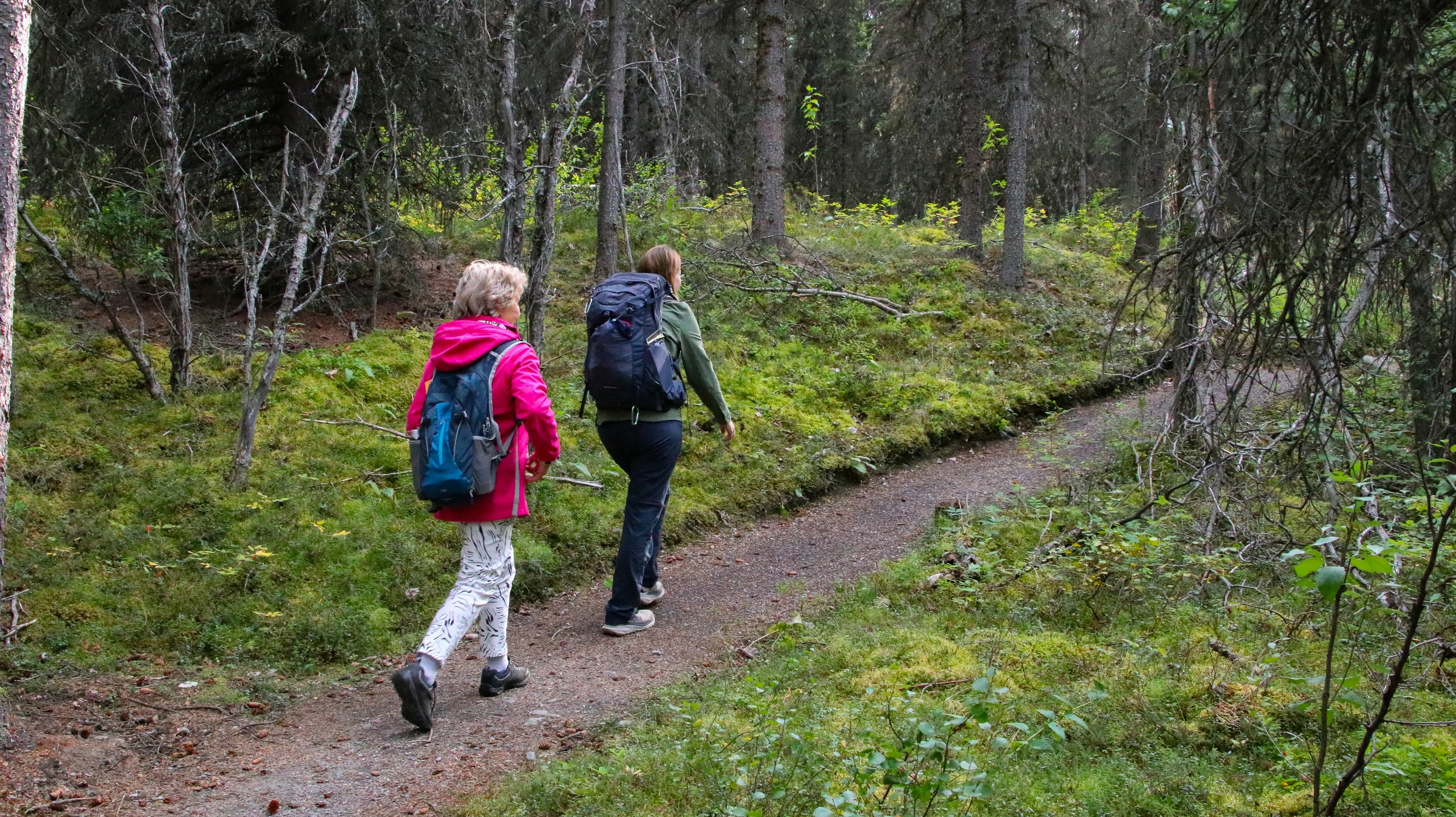
Chasing Light in Denali: An Afternoon Hike Across Taiga and Tundra
Trade the tour bus for tundra. This guided afternoon hike threads from shadowed spruce to open ridgeline, where Denali’s valleys breathe wide and the wind calls the cadence. Come for the views, stay for the stories beneath your boots.
Denali Park, Alaska