

Glacier Discoverer: Touching Down on the Blue Heart of Aoraki
A 40-minute alpine immersion with a real glacier landing beneath Aoraki / Mount Cook
The rotor wash lifts snow crystals into a glittering halo as the helicopter skims above a world of white and shadow. Aoraki—Cloud Piercer—stands shoulder-square against the sky, and the Southern Alps seem to inhale as you rise. Below, the Mackenzie Basin unspools in tawny folds, then gives way to the textured skin of the Tasman Glacier. Crevasses yawn like blue mouths. The Hochstetter Icefall surges over a cliff band, frozen motion given shape and attitude, as if the mountain were mid-sentence and the glacier decided to speak for it.
Trail Wisdom
Layer for altitude
Temperatures drop quickly at landing—wear a warm midlayer and windproof shell even on sunny days.
Glare is real
Snow reflects hard light; polarized sunglasses protect your eyes and sharpen the glacier’s detail.
Mind your footing
Expect uneven, sometimes icy snow on the glacier. Wear closed-toe shoes with good tread and follow the pilot’s path.
Plan for flexibility
Weather can change fast in the Alps. Keep your schedule open and reconfirm an hour prior to your flight.
Local Knowledge
Hidden Gems
- •Kea Point Track for a quick, rewarding view of the Mueller Glacier and Aoraki
- •Tasman Glacier Viewpoint and Blue Lakes for an easy add-on with glacial meltwater color
Wildlife
Kea (alpine parrot), Kārearea (New Zealand falcon)
Conservation Note
The Tasman Glacier is retreating due to climate change. Stick to pilot-designated areas on the ice, pack out all waste, and appreciate that concession fees support conservation.
Aoraki / Mount Cook is sacred to Ngāi Tahu, and the region served as a training ground for early alpinists, including Sir Edmund Hillary.
Seasonal Guide
spring
Best for: Fresh snow texture, Dramatic cloudscapes
Challenges: Changeable weather, Windy passes
Late September–November brings crisp views and renewed snow coverage, with spring storms that can cause delays.
summer
Best for: Stable weather windows, Long daylight hours
Challenges: High UV and glare, Hot valley temps
December–February offers the most reliable flying conditions and great visibility; bring sun protection for snow glare.
fall
Best for: Soft light, Calmer air
Challenges: Shorter days, Early cold snaps
March–May delivers golden light and often smooth air; temperatures begin to drop, so pack an extra layer.
winter
Best for: Pristine snowfields, High-contrast photography
Challenges: Frequent weather holds, Very cold landings
June–August transforms the glacier into a bright canvas; expect colder temps and more frequent schedule changes.
Photographer's Notes
What to Bring
Windproof Shell JacketEssential
Glacier landings can be breezy; a light shell blocks wind without adding bulk.
Sturdy Closed-Toe ShoesEssential
Good traction helps on packed snow and uneven surfaces during the landing.
Polarized SunglassesEssential
Cuts glare off snow and ice, improving visibility and reducing eye strain.
Light Gloves
Keeps hands warm while handling cameras or phones in cold air.
Common Questions
How long is the Glacier Discoverer flight?
Approximately 40 minutes, including the time on the glacier during the landing.
Is the glacier landing guaranteed?
Landings are planned but can vary or be canceled due to weather and pilot discretion for safety.
What should I wear for the flight?
Dress in warm layers with a windproof outer shell, sturdy closed-toe shoes, and bring sunglasses and sunscreen.
Are drones or selfie sticks allowed?
No. For safety, drones, iPads, and selfie sticks are not permitted on board.
Can children or older adults join?
Yes, it’s suitable for most ages; you’ll need to step in and out of the helicopter and navigate a short, careful walk on snow.
What happens if the weather is bad?
Flights are weather-dependent. If canceled, you’ll be offered an alternative time or a full refund.
What to Pack
Warm windproof layer for cold air on the glacier; sturdy closed-toe shoes for traction on packed snow; polarized sunglasses to cut intense glare; sunscreen (SPF 30+) for high-altitude UV exposure.
Did You Know
Tasman Glacier is New Zealand’s longest glacier at roughly 23 kilometers, flowing from the Southern Alps down into the Mackenzie Basin.
Quick Travel Tips
Reconfirm your flight 24 hours ahead and again 1 hour before for weather; Bring a small camera bag and secure loose straps; Schedule the flight early in your trip to allow for weather changes; Fuel up in the village—there are no services at the airstrip.
Local Flavor
After the flight, head to The Old Mountaineers’ Cafe for hearty fare and mountain views, or book a window seat at The Hermitage Hotel’s restaurants for a celebratory dinner. In nearby Twizel, grab a local brew and fresh salmon to keep the alpine energy going.
Logistics Snapshot
Closest airport: Aoraki / Mount Cook Aerodrome (NZMC); Major gateways: Queenstown (3–3.5 hours) or Christchurch (4–4.5 hours) by road. Meeting point: 81 Bowen Drive, Aoraki / Mount Cook Village, with shuttle to the airstrip. Drive time from Twizel: ~50 minutes. Cell service: Spotty to fair in the village; limited at the airstrip. Permits: None for passengers; book ahead, and reconfirm due to weather.
Sustainability Note
This high-alpine environment is fragile. Stick to pilot-designated areas on the glacier, pack out all waste, and consider offsetting your flight. Respect kea—curious and clever—and never feed wildlife.
Continue Reading

Canyon Wave: Rafting Denali’s Glacial Heart on the Nenana River
The Nenana River doesn’t whisper—it urges you forward. On the Canyon Wave run, you’ll punch through crisp, glacial rapids beneath Denali’s ramparts, trading roadside views for a front-row seat to Alaska’s wild hydraulics. Cold water, big smiles, and a canyon that knows how to keep pace.
Healy, Alaska
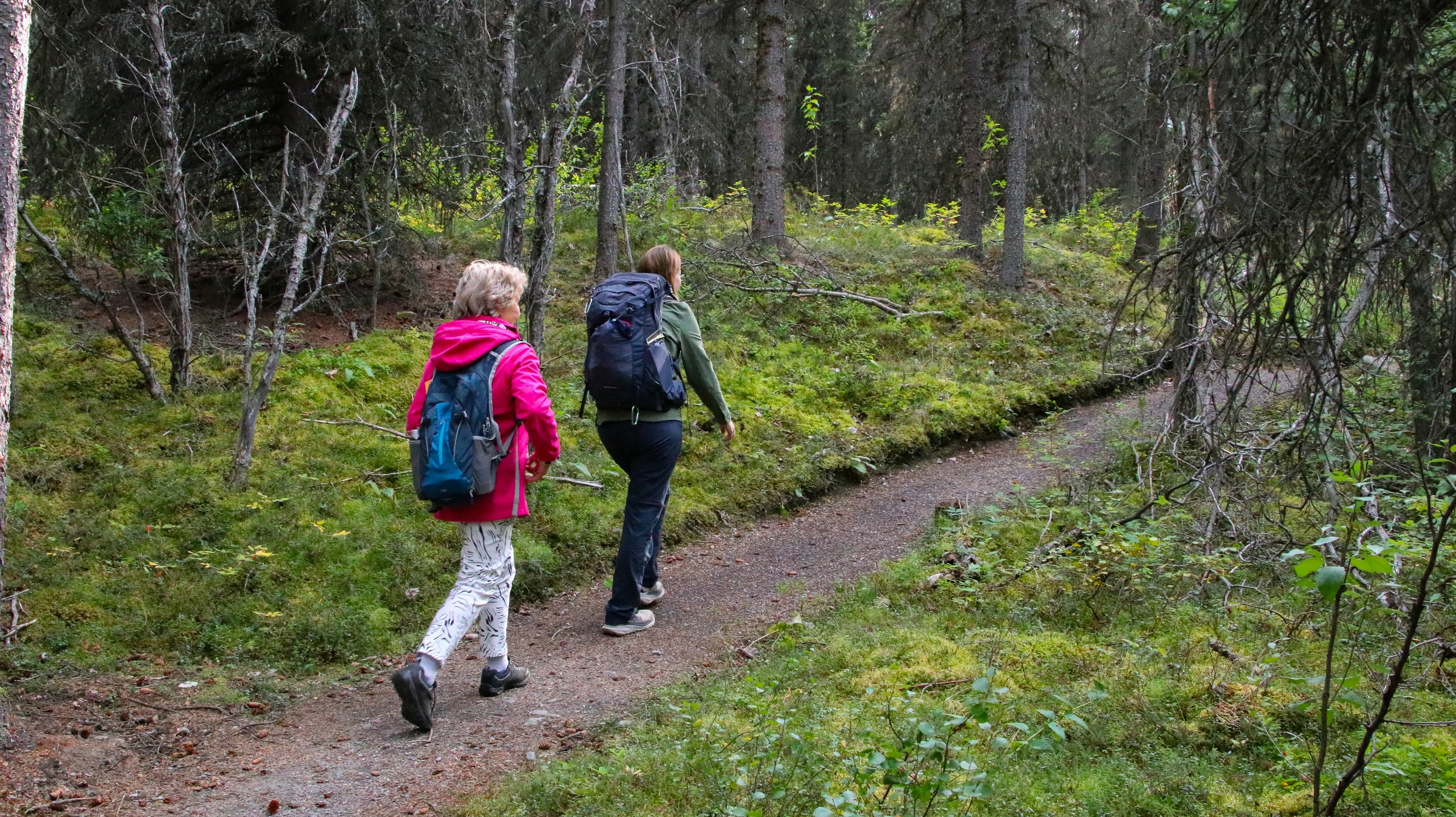
Chasing Light in Denali: An Afternoon Hike Across Taiga and Tundra
Trade the tour bus for tundra. This guided afternoon hike threads from shadowed spruce to open ridgeline, where Denali’s valleys breathe wide and the wind calls the cadence. Come for the views, stay for the stories beneath your boots.
Denali Park, Alaska