

Four Days Through Fire and Stone: A Small‑Group Safari Across Yellowstone and the Tetons
Steam, stone, wildlife, and wild light—four days to meet the parks on their terms.
At dawn the Tetons sit like a ragged spine against a pale Wyoming sky, their granite catching the first light and holding it like a low ember. In the meadow, elk bugles thread the cold air while the Snake River moves with quiet insistence, pushing the valley toward a new day. You climb into a small van, coffee steaming in your hands, and your guide passes back binoculars—today the landscape does the talking. By the time the sun breaks free of the peaks, the road is unspooling north toward Yellowstone, where the ground breathes and water boils and bison decide the speed of traffic.
Trail Wisdom
Beat the Boardwalk Crowds
Plan Grand Prismatic and Old Faithful early or late in the day for easier parking and softer light. Midday steam can wash out color and visibility.
Respect Wildlife Distance
Stay at least 100 yards from bears and wolves and 25 yards from all other animals. If an animal changes its behavior, you’re too close.
Layer Like a Local
Mountain weather swings fast—carry a light puffy, rain shell, and sun protection even on warm days.
Hydrate at Altitude
Carry at least 2 liters of water per person; high, dry air dehydrates quickly even on short walks.
Local Knowledge
Hidden Gems
- •Blacktail Plateau Drive for quieter wildlife viewing at dawn
- •LeHardy Rapids during spring runoff to watch whitewater and feeding birds
Wildlife
Bison, Moose
Conservation Note
Follow Leave No Trace principles, stay on boardwalks near thermal features, and keep legal distances from wildlife to protect both animals and visitors.
Yellowstone became the world’s first national park in 1872; Grand Teton’s protected footprint expanded in 1950 after John D. Rockefeller Jr.’s land purchases were added to the park.
Seasonal Guide
spring
Best for: Bear sightings near low elevations, Waterfalls at peak flow
Challenges: Lingering snow and mud, Staggered road and service openings
Expect variable weather and limited services; wildlife viewing can be excellent as animals move to greener valleys.
summer
Best for: Full access to roads and services, Boat cruises and river floats
Challenges: Crowds at marquee sights, Afternoon thunderstorms and intense UV
Long days and warm temps make this the most popular season—start early and bring sun protection.
fall
Best for: Elk rut and golden aspens, Crisp air and thinner crowds
Challenges: Freezing mornings, Early snow and some service reductions
Wildlife activity peaks and colors pop; plan for cold mornings and earlier sunsets.
winter
Best for: Serene landscapes and wildlife along the valley, Snowcoach or ski-based tours
Challenges: Most Yellowstone roads closed to cars, Severe cold and limited services
Deep quiet and dramatic scenery define winter; specialized tours are required for Yellowstone’s interior.
Photographer's Notes
What to Bring
Lightweight Insulating LayerEssential
A packable puffy or fleece keeps you warm during cold mornings and windblown overlooks.
Rain ShellEssential
Mountain weather shifts quickly; a breathable shell handles surprise showers and spray near waterfalls and geysers.
Sun Hat and High-SPF SunscreenEssential
High-altitude sun is strong; protect skin during long days on exposed boardwalks and pullouts.
Closed-Toe Hiking ShoesEssential
Sturdy shoes with good traction keep you steady on wet boardwalks and gravel paths.
Common Questions
How much hiking is involved?
Most days include 2–5 miles of easy walking on boardwalks and short trails with modest elevation change.
What wildlife might I see?
Bison, elk, pronghorn, moose, bears, and bald eagles are common. Sightings are never guaranteed, but dawn and dusk improve your odds.
Are boat or float trips included?
Seasonal cruises and float options typically run mid-May to late September; availability varies by date and conditions and may be optional add-ons.
Will there be time for photography?
Yes. The itinerary includes frequent stops at scenic viewpoints and wildlife pullouts, with extra time during golden hours when possible.
Do I need to bring binoculars?
Binoculars are provided, but bringing your own can be helpful if you prefer a specific magnification.
Are hot springs soaks inside the park?
Soaking is at established hot springs outside park boundaries; thermal features within the parks are protected and not for bathing.
What to Pack
Layers for fast-changing mountain weather; 2L water capacity per person; sun protection (hat, sunglasses, SPF 30+); compact binoculars for wildlife if you prefer your own optics.
Did You Know
Yellowstone contains over half of the world’s active geysers, with more than 500 documented within the park.
Quick Travel Tips
Start days at dawn to see wildlife and beat parking crunches; phone service is spotty—download maps offline; carry cash or card for park passes and incidental purchases; respect thermal areas—boardwalks and marked trails only.
Local Flavor
Refuel in Jackson with a cinnamon croissant at Persephone Bakery, then toast the day at Snake River Brewing. If you overnight near Gardiner, grab a bison burger at The Corral and watch the Yellowstone River muscle its way past town. In summer, swing by a local rodeo night for a burst of Western culture.
Logistics Snapshot
Closest airports: Jackson Hole (JAC), West Yellowstone (WYS, seasonal), Bozeman (BZN). Drive times: Jackson to Grand Teton entrance ~15 minutes; Jackson to Old Faithful ~2 hours. Cell service: limited to developed areas; expect dead zones. Passes: National Park entrance fee required; guided tours typically handle entry logistics.
Sustainability Note
Thermal features and wildlife habitats here are fragile. Pack out all trash, stay on boardwalks, and keep legal distances (100 yards from bears/wolves; 25 yards from other wildlife) to reduce stress on animals.
Continue Reading

Canyon Wave: Rafting Denali’s Glacial Heart on the Nenana River
The Nenana River doesn’t whisper—it urges you forward. On the Canyon Wave run, you’ll punch through crisp, glacial rapids beneath Denali’s ramparts, trading roadside views for a front-row seat to Alaska’s wild hydraulics. Cold water, big smiles, and a canyon that knows how to keep pace.
Healy, Alaska
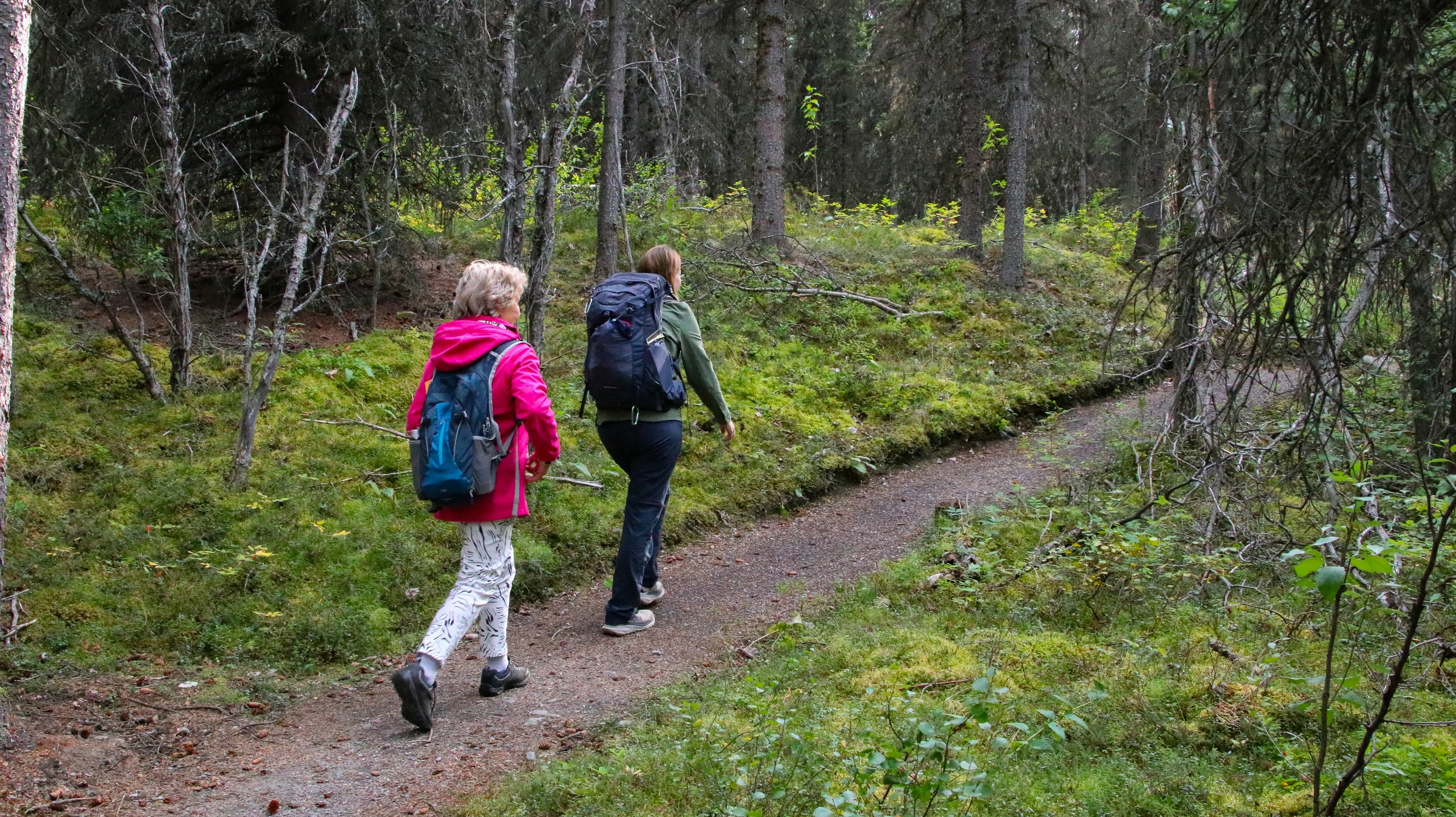
Chasing Light in Denali: An Afternoon Hike Across Taiga and Tundra
Trade the tour bus for tundra. This guided afternoon hike threads from shadowed spruce to open ridgeline, where Denali’s valleys breathe wide and the wind calls the cadence. Come for the views, stay for the stories beneath your boots.
Denali Park, Alaska