

First Light on the Fiord: A Day Safari into Milford Sound by Paddle and Road
Sunrise water, granite walls, and the most scenic drive in New Zealand—without touching the steering wheel.
Dawn lifts slowly over Lake Te Anau, pulling a cold sheen across the water as you step aboard the minibus. It’s quiet. A thermos clicks, a zipper whispers, and the road eases into the beech forest like it knows you. The Day Safari makes a promise early: you won’t miss a thing on the way to Milford Sound. You’re here to paddle the fiord, yes, but the getting-there matters—glacial valleys, mirror-still pools, a tunnel drilled through mountains that feel mythic because they are. You sit back and let the asphalt unwind.
Trail Wisdom
Layer like a local
Fiordland weather can swing from still to soaking. Wear quick-dry base layers under the provided waterproofs and avoid cotton.
Beat the sandflies
Apply insect repellent (picaridin or DEET) to ankles, wrists, and behind ears before launching—sandflies love calm, humid mornings.
Pack real calories
Bring a lunch and high-energy snacks; there are no shops at the launch and paddling 10 km feels better with steady fuel.
Mind the Milford Road
Expect no cell service beyond Te Anau and winter closures around the Homer Tunnel—let the operator drive while you enjoy the lookout stops.
Local Knowledge
Hidden Gems
- •Pops View (Hollyford Valley Lookout) on the Milford Road for sweeping valley vistas
- •Mirror Lakes boardwalk for glassy morning reflections before bus crowds
Wildlife
New Zealand Fur Seal (kekeno), Bottlenose Dolphin
Conservation Note
Milford Sound/Piopiotahi Marine Reserve protects rich marine life including black corals. Practice Leave No Trace and maintain safe distances from wildlife.
Piopiotahi (Milford Sound) sits within Te Wāhipounamu, a UNESCO World Heritage Area. Māori navigated these waters long before sealers and explorers renamed the fiord in the 1800s.
Seasonal Guide
spring
Best for: Waterfalls after rain, Cooler temps for paddling
Challenges: Unpredictable squalls, Sandflies on calm days
Shoulder season brings dramatic waterfalls and fewer crowds. Pack layers and be ready for fast-changing weather.
summer
Best for: Long daylight windows, Wildlife sightings (seals, dolphins)
Challenges: Busier road and launch sites, Strong sun even on cool days
Stable conditions and warm air make for relaxed paddles. Start early to stay ahead of traffic and bring sun protection.
fall
Best for: Settled weather, Quieter fiord and road
Challenges: Crisp mornings, Occasional early fronts
Clear light and calmer winds often align in March–April. Ideal for sunrise launches and mirrored reflections.
winter
Best for: Snow-dusted peaks, Serene, uncrowded conditions
Challenges: Cold water and air temps, Possible road closures/ice
Icy mornings and brilliant visibility reward the prepared. Trust your guide on go/no-go calls around the Homer Tunnel.
Photographer's Notes
What to Bring
Quick-dry base layer top and bottomEssential
Keeps you warm and comfortable under the provided waterproofs, even if spray or rain finds you.
2 liters of water in reusable bottlesEssential
Hydration is key for a 9–11 hour day with 10 km of paddling and transport time.
Insect repellent (picaridin or DEET)Essential
Mitigates sandfly bites that are common in Fiordland’s damp, calm conditions.
Compact camera with dry protection
A weather-sealed camera or phone in a waterproof case pairs well with the provided dry bag for waterfall shots.
Common Questions
How long is the Day Safari and how much paddling is involved?
Plan for 9–11 hours total from Te Anau, including a scenic drive. On the water, you’ll paddle about 10 km over 3–3.5 hours in double sea kayaks.
Do I need prior kayaking experience?
No. Basic fitness and a willingness to follow guide instructions are sufficient. Guides provide safety briefings, technique tips, and all gear.
What happens if the weather turns bad?
Milford Sound is paddleable in light rain and often more dramatic when wet. If conditions become unsafe, trips are typically shifted to a scenic cruise.
What should I wear and bring?
Wear quick-dry layers and soft shoes. Bring water, lunch, snacks, sunscreen, insect repellent, and a camera; the operator provides thermals, waterproofs, PFDs, and dry bags.
Are there age or size restrictions?
Yes—ages 14+ only. Children must weigh over 25 kg to fit safety gear and anyone under 16 must paddle with an adult in a double kayak.
Will I see wildlife?
Common sightings include New Zealand fur seals and occasionally bottlenose dolphins. Wildlife is wild—keep respectful distances and follow guide directions.
What to Pack
Waterproof layers over quick-dry clothing to manage Fiordland’s frequent rain; 2L of water to stay hydrated across a full-day itinerary; high-calorie lunch and snacks for steady energy during the 10 km paddle; insect repellent to keep sandflies from distracting you at launch and landing.
Did You Know
Milford Sound receives over 6,800 mm (268 inches) of rain annually, making it one of the wettest inhabited places on Earth—perfect conditions for hundreds of ephemeral waterfalls after storms.
Quick Travel Tips
Book the earliest departure for calmer water and fewer crowds; Don’t rely on mobile service beyond Te Anau—download maps and confirmations; If driving yourself on other days, check Milford Road status and chain requirements in winter; Build buffer time into your itinerary—road conditions and photo stops can add up.
Local Flavor
Back in Te Anau, warm up at The Redcliff Café & Bar with Southland lamb and a local craft beer. Grab a steak-and-cheese from Miles Better Pies for the next day’s road snacks, then catch the Ata Whenua – Shadowland film at Fiordland Cinema for an aerial sweep of where you just paddled.
Logistics Snapshot
Closest airport: Queenstown (ZQN). Launch area: Deep Water Basin, Milford Sound; pickup/return from Te Anau included. Driving distance Te Anau–Milford Sound: ~118 km, 2–2.5 hours each way on SH94. Cell service: None beyond Te Anau. Permits: No permit required for guided kayaking; Fiordland National Park rules apply.
Sustainability Note
You’re paddling within Fiordland National Park and the Piopiotahi Marine Reserve—pack out all waste, minimize noise around wildlife, and follow New Zealand’s Check-Clean-Dry protocols when moving gear between waterways.
Continue Reading

Canyon Wave: Rafting Denali’s Glacial Heart on the Nenana River
The Nenana River doesn’t whisper—it urges you forward. On the Canyon Wave run, you’ll punch through crisp, glacial rapids beneath Denali’s ramparts, trading roadside views for a front-row seat to Alaska’s wild hydraulics. Cold water, big smiles, and a canyon that knows how to keep pace.
Healy, Alaska
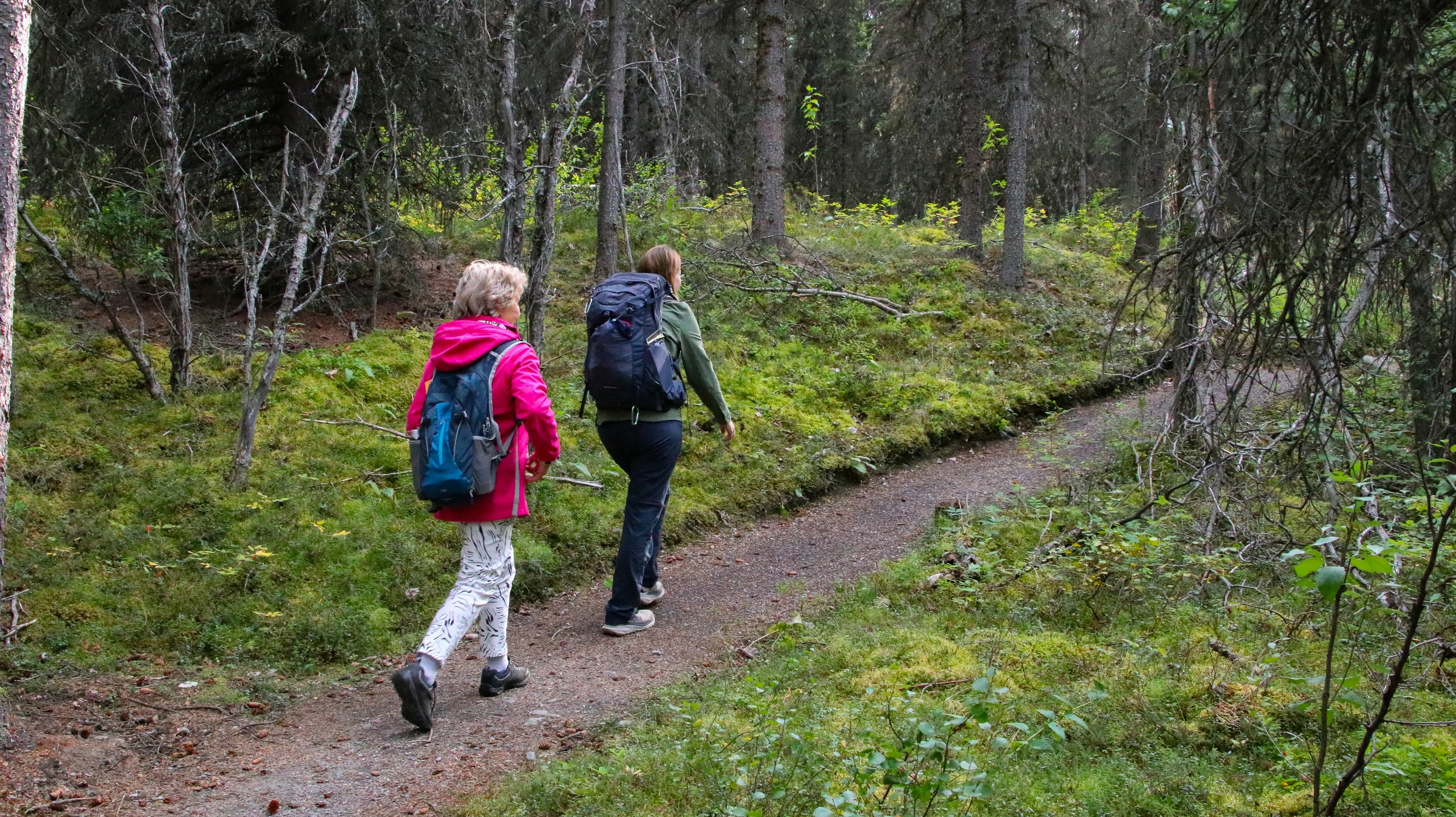
Chasing Light in Denali: An Afternoon Hike Across Taiga and Tundra
Trade the tour bus for tundra. This guided afternoon hike threads from shadowed spruce to open ridgeline, where Denali’s valleys breathe wide and the wind calls the cadence. Come for the views, stay for the stories beneath your boots.
Denali Park, Alaska