

Denali Up Close: A Three-Hour Naturalist Walk Through the Boreal
A slow, sensory deep-dive into Alaska’s living laboratory—no mountain required.
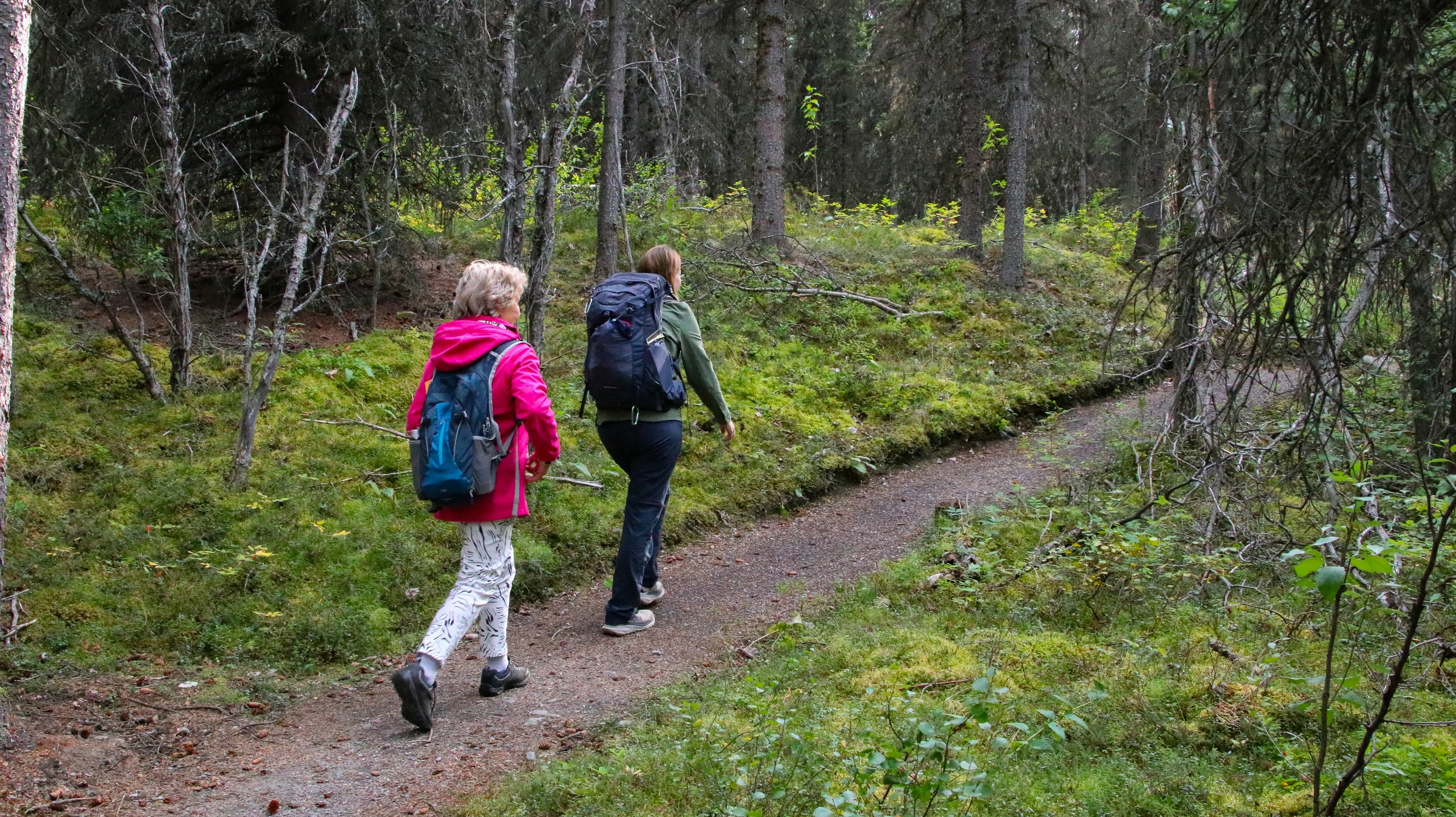
The spruce seem to breathe here. They lean in, shedding raindrops from needled boughs like a quiet welcome, while the ground—springy with moss and hidden ice—keeps its own counsel. A robin fusses, a red squirrel scolds, and somewhere in the understory a ptarmigan steps, soft-footed as a rumor. This is Denali’s boreal forest at walking pace, where the park’s big drama turns surprisingly intimate. On the 3 Hour Naturalist Walking Tour, you don’t race to a summit; you slow down and let the place introduce itself.
Trail Wisdom
Dress in breathable layers
Weather can swing from sun to drizzle; a light fleece and packable rain shell keep you comfortable.
Closed-toe traction matters
Well-maintained dirt trails can be slick after rain—wear sturdy hiking shoes with decent tread.
Respect the berries
Only sample plants your guide confirms as edible and leave plenty for wildlife and regeneration.
Bring water you’ll actually drink
A reusable bottle you like will help you stay hydrated during this gentle, stop-and-learn walk.
Local Knowledge
Hidden Gems
- •Taiga loop boardwalks near the Denali Visitor Center—great for a quick self-guided add-on walk
- •Riley Creek for evening light and quiet, with a chance for moose sign
Wildlife
Moose, Willow ptarmigan
Conservation Note
Stay on durable surfaces to protect fragile tundra and moss; taste berries sparingly and leave plants undamaged. Pack out all trash and minimize noise around wildlife.
Denali’s name comes from the Koyukon Athabascan word meaning “the high one,” officially restored in 2015 after decades as Mount McKinley.
Seasonal Guide
spring
Best for: Migratory bird activity, Cool, quiet trails
Challenges: Lingering snow patches, Muddy sections
May to early June brings melting snow, active birds, and cool temps. Trails are typically passable but can be wet.
summer
Best for: Wildflowers and berries, Long daylight hours
Challenges: Mosquitoes, Intermittent showers
June through August is prime for lush understory, edible berries, and extended daylight—pack bug protection and a rain shell.
fall
Best for: Vibrant foliage, Crisp air and fewer crowds
Challenges: Early frosts, Shortening daylight
September paints the forest gold and crimson; mornings can be frosty and days grow shorter.
winter
Best for: Solitude, Snow-quiet scenery
Challenges: Cold temps, Limited operations
Some services scale back; check availability. Deep cold and icy conditions require serious layers and traction if walking is offered.
Photographer's Notes
What to Bring
Waterproof hiking shoesEssential
Keeps feet dry and stable on damp, rooty sections of trail.
Packable rain jacketEssential
Drizzle is common; a lightweight shell adds comfort without bulk.
Bug head net
Clips over a hat to keep mosquitoes at bay during peak season.
Midweight fleece or insulating layerEssential
A reliable mid-layer keeps you warm during pauses for wildlife and plant talks.
Common Questions
How far will we walk and how much elevation is there?
Tours are time-based and tailored to the group, averaging about 2 miles with 100–300 feet of elevation gain.
Is this suitable for kids and non-hikers?
Yes. The pace is leisurely on well-maintained trails, and guides adapt the route for families and varying abilities.
What happens if it rains?
Walks run in rain; only lightning cancels. Rain jackets are available, and light showers often make the forest more vibrant.
Will we see wildlife?
Wildlife is never guaranteed, but sightings can include squirrels, ptarmigan, moose sign, and a variety of birds.
Do I need a Denali National Park pass?
Yes, a day pass is required unless covered by a park bus ticket or an America the Beautiful pass. Kids under 16 don’t need a pass.
Is hotel pickup included?
Pickup within about 30 minutes of the start time is typically provided from area hotels near the park entrance.
What to Pack
Waterproof hiking shoes for traction on wet roots; Lightweight rain shell for fast-moving showers; Refillable water bottle to stay hydrated without plastic waste; Insect repellent or head net to keep mosquitoes from distracting you.
Did You Know
Denali (20,310 feet) is the highest peak in North America and officially regained its Athabascan name in 2015 after decades as Mount McKinley.
Quick Travel Tips
Buy your Denali day pass in advance to skip lines; Expect limited cell service near the park—download offline maps; Dress in layers even on sunny days; Plan extra travel time on the Parks Highway for construction or wildlife slowdowns.
Local Flavor
After your walk, refuel at 49th State Brewing in Healy for local ales and an Alaska-sized burger. Closer to the entrance, Black Bear Coffeehouse does strong espresso and fresh pastries, while The Perch Restaurant in Carlo Creek serves up salmon and views. Ask your guide about seasonal produce stands and community events—summer weekends often include markets and live music.
Logistics Snapshot
Closest major airport: Fairbanks International (FAI), ~2 hours by car; Anchorage (ANC) ~4.5 hours. Trailheads are near the Denali Visitor Center, about 10–15 minutes from Healy. Cell service is spotty once you leave the highway. A Denali National Park pass is required unless covered by a bus ticket or America the Beautiful pass.
Sustainability Note
This is an active boreal ecosystem—stay on established trails, taste only guide-approved berries, and pack out all waste. Give wildlife space and keep voices low to preserve the natural soundscape.
Continue Reading

Canyon Wave: Rafting Denali’s Glacial Heart on the Nenana River
The Nenana River doesn’t whisper—it urges you forward. On the Canyon Wave run, you’ll punch through crisp, glacial rapids beneath Denali’s ramparts, trading roadside views for a front-row seat to Alaska’s wild hydraulics. Cold water, big smiles, and a canyon that knows how to keep pace.
Healy, Alaska
Chasing Light in Denali: An Afternoon Hike Across Taiga and Tundra
Trade the tour bus for tundra. This guided afternoon hike threads from shadowed spruce to open ridgeline, where Denali’s valleys breathe wide and the wind calls the cadence. Come for the views, stay for the stories beneath your boots.
Denali Park, Alaska