

Denali Park Zipline Adventure: Sky Bridges Over the Boreal
Soar above the spruce, step across sky bridges, and race a friend to the finish near Denali.
The boreal forest lifts you gently as the shuttle leaves pavement and rolls toward a ridge where spruce trees whisper like old friends telling you to look up. Denali’s shoulders hover to the west, a mountain that shapes weather and moods even from miles away. You clip in, the line hums, and the wind decides to play guide—nudging, then urging, then outright carrying you over a green quilt of spruce and alder. This is the Denali Park Zipline Adventure, a half-mile of flight stitched together by seven ziplines and six sky bridges, a three-hour arc that starts on the ground and ends with your feet believing, however briefly, that gravity is negotiable. The day begins with a three-mile trail ride into the forest. ATVs purr forward, shoulders bobbing in rhythm with the rolling track, and the boreal gives way to openings where mountain light strides in. Certified guides outfit you with a full-body harness, helmet, and gloves, checking buckles with the efficient calm that settles everyone’s nerves. The first platform arrives under the canopy, and the forest leans in, curious. The initial glide is a tester—your hands free thanks to a built-in braking system, your body discovering how to be both present and airborne. By the second line, you’re reading the subtle cues. The line sings brighter on speed; the spruce tops below sway as if waving permission; a braided line of tundra opens and dares you to look down, then farther out. The mountains don’t just sit on the skyline here; they set the tempo. Between flights, the sky bridges offer a different kind of thrill—sturdy, yes, but just flexy enough to wake your balance. The Ascending Bridge Tower is the course’s quiet challenge, inviting your legs to do their share as you climb above the treetops. Each platform becomes a lookout post: ridgelines stepping into the distance, kettle ponds glinting like dropped coins, the Nenana River flashing silver where it cuts the valley. Ravens comment from the thermal above you, and if luck leans your way, a moose might parse the willows below, indifferent to the aerial parade. Denali country is geologic drama written over eons, a place stitched by subduction and uplift where the Alaska Range forces weather to choose sides. That drama underpins the human story, too. Athabascan peoples—the original experts on this landscape—mapped seasonal rhythms long before the park drew its boundary. The early 1900s brought rail lines and prospectors, and today, this slice of forest is where modern travelers come to trade footsteps for airtime for a few pure hours. The zipline course sits just outside Denali National Park, operating in a pocket of boreal that asks for care in exchange for a view. Guides talk lightly about safety, which is their way of telling you it’s everything. Lanyards keep your phone close if you bring it, and yes, you can take photos—on the platforms or mid-zip if you keep it tethered. And while the course feels wild, it’s deliberately built: cables anchored in engineering, platforms designed to breathe with the trees, hands-free braking so you’re focused on the look of the land rather than the mechanics. It’s also remarkably accessible for a wide range of ages and abilities. The minimum age is eight, and the weight range runs from 70 to 280 pounds—essential details that make the experience both inclusive and responsibly managed. Those with back or neck injuries, seizure disorders, or who are pregnant are advised not to participate, which underlines a theme running through any real adventure: know your body and honor it. In peak summer, daylight lingers almost absurdly long. Evening runs can glow with a honeyed light that warms the forest’s greens and throws soft shadows off the sky bridges. Morning tours in early season feel crisp, the air cool on your cheeks, the forest smelling like rain whether or not it actually falls. Denali weather is mercurial, but that’s part of the bargain. Layers and closed-toe shoes are non-negotiable. You’ll discover quickly that the forest has a voice—needles ticking in the breeze, the cable’s rising whistle, your own breath smoothing out as fear yields to fun. The finale is a dual-racer line, an agreeably competitive sprint shared with a friend or the stranger who will not be a stranger by the time you reach the last platform. You launch together, two bright streaks skimming over tundra. The wind cheers. The line pulls your grin wider. And then it’s quiet again, the forest settling, as you step out of the harness and into your post-adventure high. Planning is simple. The operation provides all safety gear and even complimentary shuttles from most area accommodations. Book ahead in peak months and show up ready for three hours that move at a clear, steady pace. If you want local insight or to connect with the people behind the course, start with the local experts at Denali Park Zipline Adventure—this page is an easy gateway to details, timing, and pro advice: https://app.advcollective.com/local-experts/denali-park-zipline-adventure. It’s also the best way to turn curiosity into a confirmed spot. On the ground, practicalities matter. Bring a rain shell; summer showers drift in unannounced. Mosquitoes can be assertive in June and July—repellent helps. Close-fitting athletic shoes beat sandals every time, and light pants or tights are more comfortable under a harness than shorts. If you plan to shoot photos, a wrist or chest mount keeps your camera where it belongs while you’re accelerating. And bring a tip for your guides if they make you feel as steady and bold as they intend to—10% is customary. Beyond the course, Denali’s broader world is your context. Pair your flight with a scenic drive to Savage River, wander the exhibits at the Denali Visitor Center, or rent a kayak at nearby Otto Lake when wind and weather allow. Cap the day in Healy at a local brewpub and replay the moment the wind turned coach, the forest made room, and you—quietly and securely—learned to move like a raven over the trees. For more details, shuttle info, and booking, tap the experts: https://app.advcollective.com/local-experts/denali-park-zipline-adventure. The line is waiting. The forest is listening. And Denali, as ever, is setting the pace.
Trail Wisdom
Dress for shifting skies
Layer up with a breathable base and a waterproof shell—Denali’s weather can swing from sunny to showers in minutes.
Closed-toe shoes only
Athletic shoes with good grip are mandatory and make the platforms and bridges far more comfortable.
Secure your phone or camera
Use a lanyard, wrist strap, or chest mount so you can shoot safely without risking a drop.
Know the limits
Participants must be 8 years old and 70–280 lbs; those with back/neck issues or who are pregnant should sit this one out.
Local Knowledge
Hidden Gems
- •Otto Lake in Healy for a calm paddle with Alaska Range views on windless days
- •Savage River area inside Denali for an easy post-zip stroll amid sculpted rock and tundra
Wildlife
Moose, Red fox
Conservation Note
This is sensitive boreal habitat—stay on platforms and established routes, pack out all trash, and give wildlife space. Consider using the free shuttle to reduce vehicle trips.
Athabascan communities have moved through this landscape for millennia, long before the Alaska Railroad and the 1917 establishment of Mount McKinley National Park (renamed Denali National Park in 1980).
Seasonal Guide
spring
Best for: Cool air and clear views, Quieter tours early season
Challenges: Mud on access trails, Unstable weather and light rain
Late May into June brings crisp temps and fewer crowds. Expect changeable skies and the first wave of mosquitoes—pack layers and repellent.
summer
Best for: Longest daylight, Peak greenery and wildflowers
Challenges: More visitors, Frequent afternoon showers and bugs
June through August is prime time for ziplining under the midnight sun. Book ahead, carry a shell, and plan for insects.
fall
Best for: Tundra color show, Cooler, calmer air
Challenges: Shortening daylight, Potential early season closures or limited departures
Early September can glow with gold birch and red tundra. Nights get colder—bring a warm midlayer and check availability.
winter
Best for: Aurora viewing in the region (off-course), Deep quiet and snowbound scenery
Challenges: Zipline operations typically closed, Extreme cold and limited services
Most zipline tours pause for winter. If you visit the area, prepare for subzero temps and plan alternate activities.
Photographer's Notes
What to Bring
Closed-Toe Athletic ShoesEssential
Required for safety and traction on platforms and sky bridges.
Lightweight Waterproof JacketEssential
Spring and summer showers move fast—stay dry and comfortable mid-zip.
Phone Lanyard or Action Camera Mount
Keeps your device secure so you can capture footage hands-free.
Insect Repellent
Mosquitoes are common in June–July; a repellent or head net makes stops more pleasant.
Common Questions
Can I bring a phone or camera on the zipline?
Yes—photos and videos are allowed if your device is secured to your body with a strap or mount. Guides will pause at platforms for safe photo ops.
What should I wear for the tour?
Dress in layers with closed-toe athletic shoes. Avoid tank tops or short shorts, which can be uncomfortable under a harness. Bring a rain shell if showers are forecast.
Can non-participants watch from the ground?
No. The course is in a remote location accessed by ATVs, and only participants can travel to and enter the course area.
How high are the ziplines?
Heights vary from about 3 feet to 50 feet off the ground, with views opening over spruce canopy and tundra.
How big are the tour groups?
Up to 10 participants with two certified guides. Larger groups can arrange special departures with advance notice.
Are tips customary for guides?
If you had a great time, a gratuity around 10% is appreciated. Tips can be given in cash on-site or at the tour office by card.
What to Pack
Waterproof shell for surprise showers; closed-toe athletic shoes for grip and safety; phone lanyard or action cam mount to capture footage hands-free; insect repellent to keep mosquitoes at bay during platform stops.
Did You Know
Denali, visible from the region on clear days, is the tallest peak in North America at 20,310 feet (6,190 meters) and was officially restored to its Koyukon Athabascan name in 2015.
Quick Travel Tips
Book ahead for peak July–August tours; free shuttles serve most Denali-area lodges—confirm your pickup; cell service is spotty, so download confirmations offline; dress in layers and bring a rain shell even on sunny mornings.
Local Flavor
After your tour, head to 49th State Brewing – Denali in Healy for local beers and hearty pub fare, or grab a pie at Prospector’s Pizzeria & Alehouse near the park entrance. Need a mellow start or finish? Black Bear Coffee House serves strong espresso and scratch pastries. Swing by the Denali Visitor Center for exhibits that place your zip day in a bigger story.
Logistics Snapshot
Closest airports: Fairbanks (FAI ~2 hours/120 miles) or Anchorage (ANC ~4.5 hours/240 miles). Meeting point: Denali Park Zipline Office with free shuttle pickup from most area lodges. Driving: Healy to the office ~10–15 minutes depending on lodging. Cell service: Spotty in the forest; decent near the highway. Permits: None required for the zipline; waivers signed on-site.
Sustainability Note
This boreal forest supports nesting birds, small mammals, and moose—stay on platforms, keep noise modest, never feed wildlife, and use the complimentary shuttle to reduce traffic. Pack out all trash and secure any loose items that could become litter.
Continue Reading

Canyon Wave: Rafting Denali’s Glacial Heart on the Nenana River
The Nenana River doesn’t whisper—it urges you forward. On the Canyon Wave run, you’ll punch through crisp, glacial rapids beneath Denali’s ramparts, trading roadside views for a front-row seat to Alaska’s wild hydraulics. Cold water, big smiles, and a canyon that knows how to keep pace.
Healy, Alaska
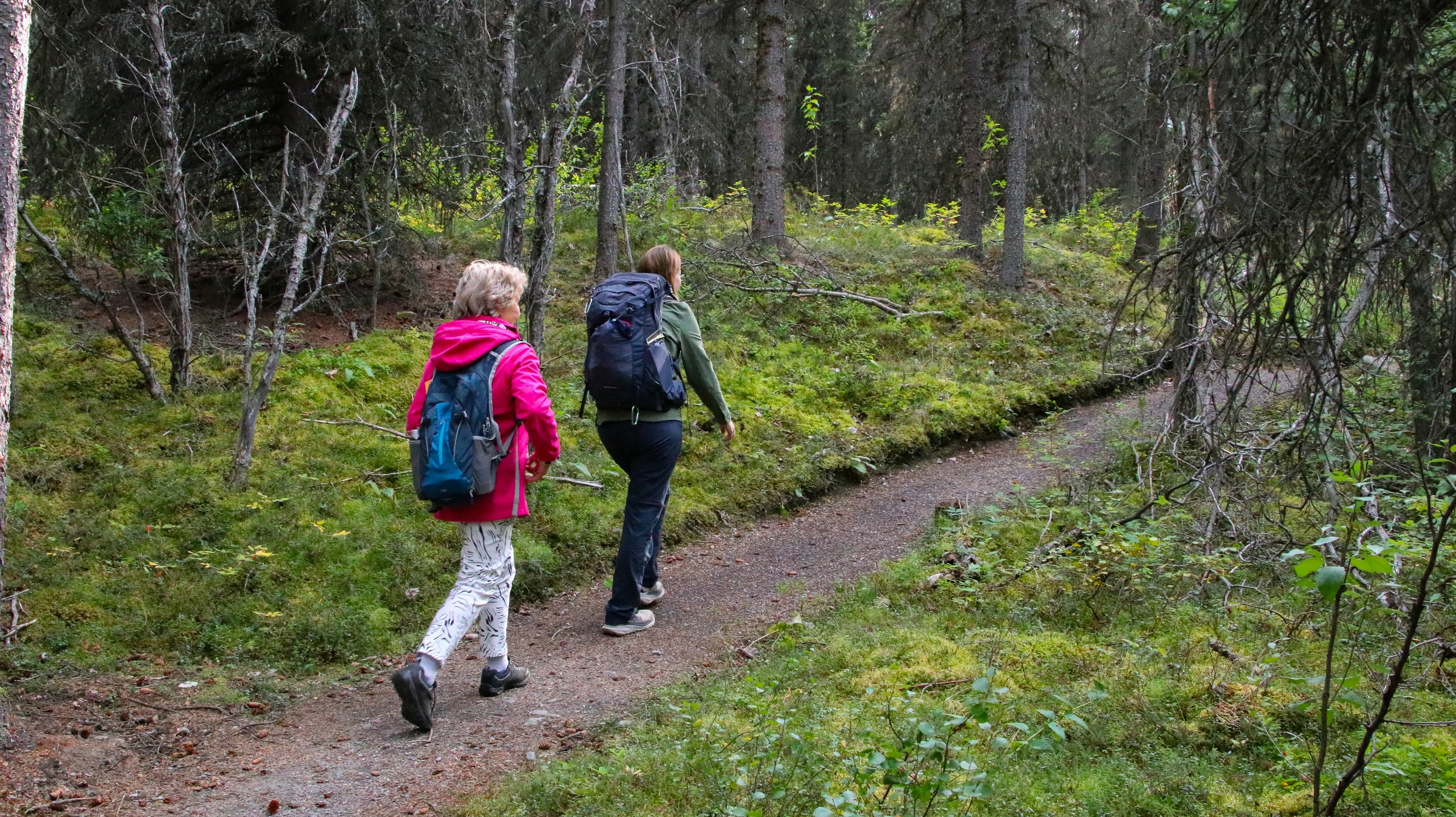
Chasing Light in Denali: An Afternoon Hike Across Taiga and Tundra
Trade the tour bus for tundra. This guided afternoon hike threads from shadowed spruce to open ridgeline, where Denali’s valleys breathe wide and the wind calls the cadence. Come for the views, stay for the stories beneath your boots.
Denali Park, Alaska