

Denali Park Glacier Landing: Touching Down in the Great Gorge
The only glacier landing from the Denali Park entrance—with a rare touch-down in the heart of the Alaska Range.
The prop hums to life at the Denali Park entrance, a steady heartbeat against the quiet of the Alaska Range. Ahead, a de Havilland Turbo Beaver crouches on the airstrip—compact, sure-footed, and clearly born for the job. The pilot thumbs the headset check, the door clicks shut, and the Alaska Range rises like a command. Within minutes you’re banking toward blue ice and granite, the land shedding trees for snowfields, the mountains stepping higher as if luring you deeper. Denali, when it chooses, shows itself in flashes—a pale colossus that appears between curtains of cloud and then vanishes, a giant at play. The plane answers the range’s dare and climbs.
Trail Wisdom
Book the earliest flight
Morning departures in Denali often offer the best visibility and gentler winds—aim for the first slot if possible.
Dress for winter, even in summer
Glacier air is cold and bright; wear waterproof boots or sturdy hikers, an insulated layer, gloves, and UV-protective sunglasses.
Stabilize your shots
Use fast shutter speeds (1/1000+) and brace elbows to counter aircraft vibration; a polarizer helps tame snow glare.
Build in weather flexibility
Flights are weather-dependent; keep backup time in your itinerary for rebooking if conditions change.
Local Knowledge
Hidden Gems
- •Horseshoe Lake Trail near the park entrance—quick, scenic, and family-friendly
- •Savage River Loop at Mile 15—excellent chance to spot Dall sheep on nearby ridges
Wildlife
Dall sheep, Caribou
Conservation Note
Glacier landings are strictly controlled; follow pilot instructions, stay within designated areas, and pack out everything you bring to minimize impact on fragile snow and ice environments.
The original Mountain House on the Ruth Glacier was established in the 1960s on a nunatak to support mountaineering and scientific exploration in the Great Gorge area.
Seasonal Guide
spring
Best for: Crisp air and sharp visibility, Lower visitor volume
Challenges: Cold temps on the glacier, Unsettled weather
March–May brings clear, cold conditions with excellent definition on the ice and peaks; dress warmly and allow buffer days.
summer
Best for: Long daylight, Peak operations and access
Challenges: Afternoon cloud build-up, Glare on snow/ice
June–August is prime season with frequent departures and soft tundra colors—mornings often deliver the clearest views.
fall
Best for: Tundra colors, Cool, stable air
Challenges: Shorter days, Early snow or icing conditions
September brings gold and crimson hillsides and cooler temps; flight schedules taper and weather can change quickly.
winter
Best for: Occasional crystal-clear days, Potential aurora at night
Challenges: Limited daylight, Severe cold and frequent weather holds
Winter operations are limited and highly weather-dependent; check availability well in advance and plan flexibly.
Photographer's Notes
What to Bring
Insulated waterproof boots or sturdy hikersEssential
Keeps feet warm and dry during the brief walk on the glacier’s snowy, wet surface.
Sunglasses with UV protection (polarized if possible)Essential
High-albedo glare off snow and ice is intense; eye protection is important year-round.
Insulated midlayer or lightweight puffy jacketEssential
Glacier air is cold even in midsummer; a compact layer keeps you comfortable during the landing.
Thin, dexterous glovesEssential
Protects hands from cold while still allowing you to handle zippers, camera controls, and phone.
Common Questions
How long do we spend on the glacier?
Expect approximately 15–20 minutes on the glacier, enough time to step out, take photos, and soak in the scale of the Great Gorge.
Will I have a window seat?
Yes—this aircraft configuration provides all window seats, and two-way headsets so you can hear pilot commentary and ask questions.
What should I wear for a glacier landing?
Dress in warm layers with an insulated jacket, waterproof or sturdy footwear, gloves, and sunglasses. Even in summer, the glacier is cold and bright.
What happens if weather cancels the flight?
Flights in Denali are weather-dependent. If conditions aren’t safe, operators will work to rebook you to another time or date; confirm exact policies when reserving.
Is there a weight limit or will I be weighed?
Small-aircraft operations may require passenger weights for safe planning and seat assignments. If limits apply or a surcharge is needed, the team will advise at booking.
Is there a child rate?
Yes. Child pricing applies for guests under 10 years old and under 100 pounds; confirm current rates when you book.
What to Pack
Insulated jacket: Glacier air is cold even in summer; Waterproof or sturdy boots: Snow and meltwater make for wet footing; Sunglasses: High-albedo glare can be intense; Thin gloves: Keep hands warm while operating camera or phone.
Did You Know
The Ruth Glacier’s Great Gorge contains ice more than 3,800 feet thick, and its granite walls rise 3,000–5,000 feet, making it one of the deepest canyons in the world when measured from the glacier surface to the peaks above.
Quick Travel Tips
Schedule the flight early in your Denali window to allow for weather changes; Choose the first morning departure for the best odds of clear views; Eat before you fly—there’s excitement and no cafe on the glacier; Bring a small daypack and keep hands free for boarding and stepping onto snow.
Local Flavor
Post-flight, head to 49th State Brewing in Healy for locally brewed ales and the famed yak burger, or swing by Denali Park Salmon Bake for hearty Alaskan fare. If you’re craving a quieter spot, The Overlook in Denali Park offers views with your meal—perfect for replaying the day’s big-mountain moments.
Logistics Snapshot
Closest airport: Fairbanks (FAI) ~2 hours by road; Anchorage (ANC) ~4–5 hours by road. Meeting point: Denali National Park entrance area. Drive time: 15 minutes from Healy, steps from most park entrance lodges. Cell service: Spotty to fair near the entrance; limited in the range. Permits: No park permit needed for this flight; reservation confirmation required.
Sustainability Note
Glaciers are living systems. Stay within the designated landing area, never leave trash or food, and keep noise to a minimum while on the ice to respect both wildlife and other visitors.
Continue Reading

Canyon Wave: Rafting Denali’s Glacial Heart on the Nenana River
The Nenana River doesn’t whisper—it urges you forward. On the Canyon Wave run, you’ll punch through crisp, glacial rapids beneath Denali’s ramparts, trading roadside views for a front-row seat to Alaska’s wild hydraulics. Cold water, big smiles, and a canyon that knows how to keep pace.
Healy, Alaska
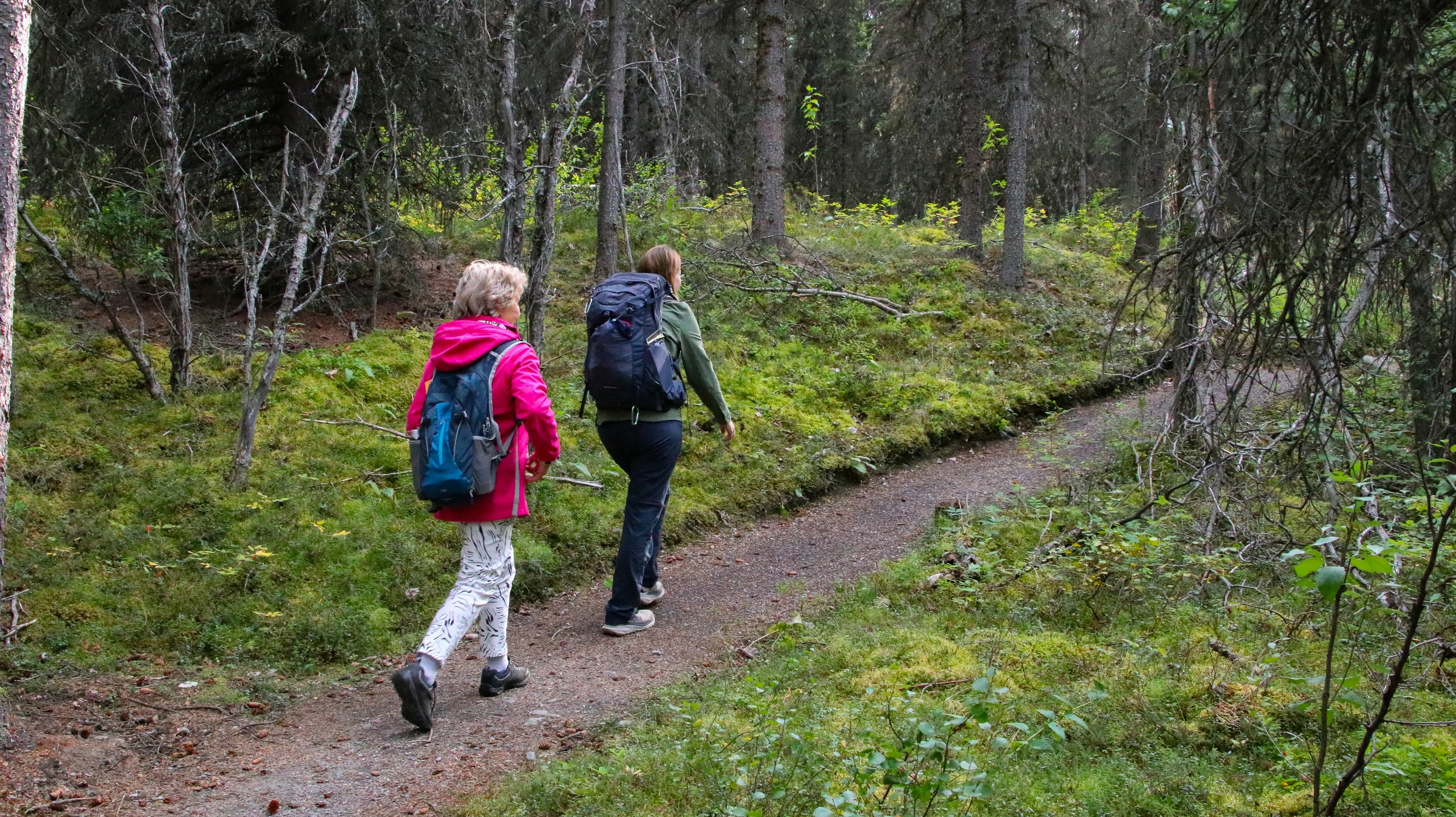
Chasing Light in Denali: An Afternoon Hike Across Taiga and Tundra
Trade the tour bus for tundra. This guided afternoon hike threads from shadowed spruce to open ridgeline, where Denali’s valleys breathe wide and the wind calls the cadence. Come for the views, stay for the stories beneath your boots.
Denali Park, Alaska