

Blue Hour on Boiling Shores: Twilight Kayaking on Yellowstone Lake
Ages 6+ • 3 Hours • Single, Double, or Triple Kayaks!
Steam drifts off the shoreline as if the forest were breathing. A loon calls, and the lake answers with a low, glassy hush. You slide a kayak into the cold, clear water and push off, the bow parting reflections of lodgepole pines and ash-blue sky. Twilight in Yellowstone is its own kind of theater—color arriving in measured beats, shadow settling in, and the lake quietly daring you to go a little farther. This is Yellowstone Lake at day’s softest edge, and you’re here to paddle three easy miles along one of the most geologically alive shorelines on Earth.
Trail Wisdom
Layer for altitude
Even in midsummer, evenings at 7,700+ feet turn chilly. Pack a wind shell and a warm mid-layer to stay comfortable after the sun drops.
Mind the wind window
Yellowstone Lake can build chop fast; twilight often calms it. Trust your guide’s timing and be ready for a breezy return leg.
Respect thermal and wildlife buffers
Keep clear of hydrothermal shores and maintain required wildlife distances (25 yards, 100 for bears/wolves). Your guide will set safe lines.
Protect your kit
Use a small dry bag for phone and camera, and keep a microfiber cloth handy to wipe spray for cleaner photos at dusk.
Local Knowledge
Hidden Gems
- •Lake Butte Overlook for panoramic sunset views of Yellowstone Lake’s eastern expanse
- •An early visit to West Thumb Geyser Basin boardwalk to see color and steam before crowds
Wildlife
Osprey and bald eagles hunting the shallows, River otters working the inlets at dusk
Conservation Note
Native Yellowstone cutthroat trout are recovering thanks to active lake trout removal—respect closures and decontaminate gear. Keep clear of thermal features to protect fragile microbial mats.
Yellowstone became the world’s first national park in 1872. West Thumb is a younger caldera nested within the larger Yellowstone Caldera, formed by a powerful hydrothermal explosion around 150,000 years ago.
Seasonal Guide
spring
Best for: Solitude, Wildlife activity
Challenges: Very cold water, Unpredictable wind, Possible ice-out delays
Late May to June can be quiet and beautiful, but conditions are volatile. Tours may be limited by ice, weather, and water temps.
summer
Best for: Stable evenings, Long daylight, Family-friendly conditions
Challenges: Afternoon thunderstorms, Mosquitoes, Park traffic
July–August brings warm days and calmer twilight. Book ahead and plan extra drive time for peak-season congestion.
fall
Best for: Crisp air, Fewer crowds, Clear light
Challenges: Rapid temperature drops, Shorter days, Early snow possible
September can be superb for sunsets and quiet water, but bring extra layers and expect earlier start times.
winter
Best for: Snowy scenery (shore-based), Wildlife viewing by snowcoach
Challenges: Lake is frozen, No paddling
Kayak tours do not operate in winter. Consider guided snowcoach or snowshoe adventures instead.
Photographer's Notes
What to Bring
Windproof/water-resistant shellEssential
Evening breezes can be sharp—this layer blocks wind and sheds spray.
Quick-dry insulating layerEssential
A synthetic fleece or puffy keeps you warm once the sun dips.
Water shoes or neoprene booties
Your feet may get wet during launch and landing; grippy soles help on slick rocks.
Small dry bag (5–10L)
Protects phone, camera, and extra layer from spray and splashes.
Common Questions
Do I need prior kayaking experience?
No. This guided tour is beginner-friendly, with a safety briefing and instruction before launching. Stable single, double, or triple kayaks are provided.
What’s included with the tour?
Kayaks, paddles, PFDs, small dry bags, instruction, and light refreshments/snacks are included. Dress yourself in appropriate layers and bring water.
How far will we paddle and how long does it take?
Expect to cover roughly 3 miles over about 3 hours, with stops for interpretation, photos, and snacks.
What happens if the weather turns windy or storms roll in?
Guides monitor forecasts and lake conditions. High winds or lightning may delay, reroute, or cancel the tour for safety; refunds or rescheduling options are typically offered.
Will I get wet and how cold is the water?
You may get splashed and your feet can get wet at launch/landing. Yellowstone Lake remains cold all season—dress in quick-dry layers and bring a warm change for afterward.
Are permits or inspections required for boats on Yellowstone Lake?
Yes, boating permits and invasive species inspections are required in the park. On guided tours, your outfitter handles permitting and compliance.
What to Pack
Warm synthetic mid-layer; wind/rain shell; water shoes you don’t mind getting wet; 1–2 liters of water—altitude and evening air can dehydrate you quickly.
Did You Know
Yellowstone Lake covers about 136 square miles and is the largest high-elevation lake in North America at 7,733 feet above sea level.
Quick Travel Tips
Book the twilight slot 1–2 weeks ahead in peak season; plan 1.5–2 hours drive time from West Yellowstone due to wildlife traffic; bring a beanie and gloves in summer—nights get cold; carry cash or card for park permits and snacks en route.
Local Flavor
Post-paddle, warm up at Grant Village Dining Room with trout or bison chili, or drive to Lake Yellowstone Hotel’s Sun Room for a classic cocktail with a view. If you’re overnighting in West Yellowstone, Madison Crossing Lounge and Slippery Otter Pub are reliable for hearty fare and a local pint.
Logistics Snapshot
Closest airports: West Yellowstone (WYS, seasonal), Jackson Hole (JAC), Bozeman (BZN). Launch area: near Grant Village/West Thumb on Yellowstone Lake. Driving: ~47 miles and 1.5–2 hours from West Yellowstone depending on traffic and wildlife jams. Cell service: spotty to none at the lake. Permits: Park entry fee required; boating permits and AIS inspections are mandatory (handled by guide for this tour).
Sustainability Note
Yellowstone’s waters are cold, clear, and vulnerable. Pack out everything, avoid landing near thermal features, decontaminate gear to prevent aquatic invasive species spread, and give all wildlife generous space.
Continue Reading

Canyon Wave: Rafting Denali’s Glacial Heart on the Nenana River
The Nenana River doesn’t whisper—it urges you forward. On the Canyon Wave run, you’ll punch through crisp, glacial rapids beneath Denali’s ramparts, trading roadside views for a front-row seat to Alaska’s wild hydraulics. Cold water, big smiles, and a canyon that knows how to keep pace.
Healy, Alaska
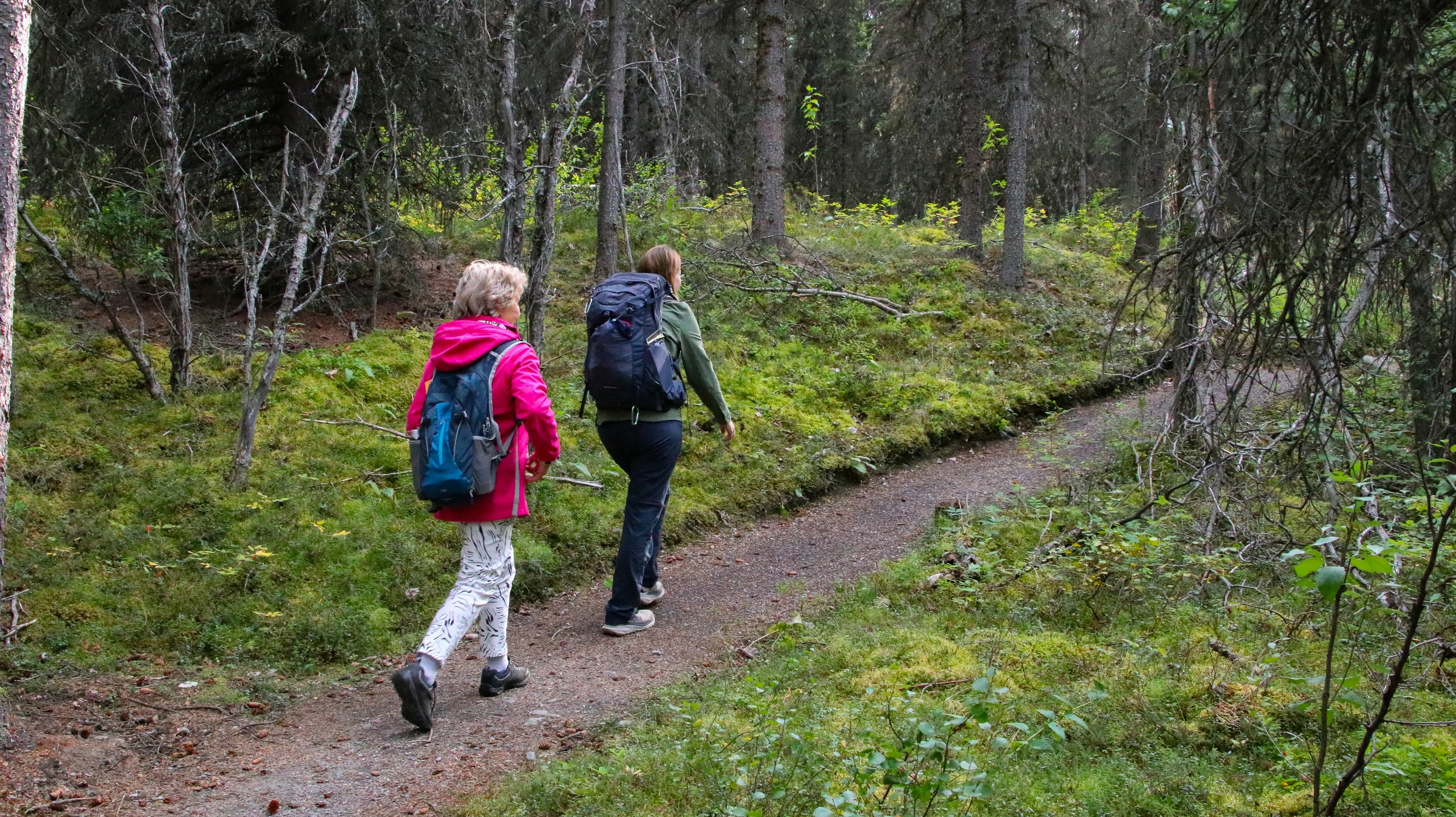
Chasing Light in Denali: An Afternoon Hike Across Taiga and Tundra
Trade the tour bus for tundra. This guided afternoon hike threads from shadowed spruce to open ridgeline, where Denali’s valleys breathe wide and the wind calls the cadence. Come for the views, stay for the stories beneath your boots.
Denali Park, Alaska