

Aoraki Panorama: Touching the Sky Above New Zealand's Southern Alps
A high-alpine helicopter landing with sweeping views of glaciers, icebergs, and New Zealand’s highest peak.
The rotors spool up at Mount Cook Airport and the valley holds its breath. Across the tarmac, Aoraki—New Zealand’s highest peak—throws a clean white blade of light into the morning, while the Tasman River braids flicker like mercury. You lift off, unspooling from the earth, and the Southern Alps begin to rearrange themselves—ridges stepping backward, glaciers sliding into view, clouds skimming the skyline like shy sentries. It’s a fast transition from road to realm. One minute you’re buckled into a seat; the next, the helicopter skates over the chunky blue ice of Tasman Terminal Lake, where icebergs idle in quiet defiance of summer. The Aoraki Panorama is a 30-minute alpine sampler with a surprise: a high-country landing that drops you into the cold, clean heart of Aoraki/Mount Cook National Park.
Trail Wisdom
Layer Like a Local
Even in summer, alpine air can bite. Wear a breathable base layer and stash a warm mid-layer plus a windproof shell.
Book the Morning Window
Earlier flights often enjoy calmer conditions and more flexibility if weather forces a reschedule.
Shoot Smart Through Plexiglass
Hold your lens to the window to reduce reflections and skip polarizers, which can cause strange patterns.
Secure Everything at the Landing
Follow crew instructions, keep loose items stowed, and never use drones or selfie sticks near the helicopter.
Local Knowledge
Hidden Gems
- •Tasman Glacier Viewpoint via the short track to Blue Lakes and Tasman Lake
- •Kea Point Track for a quick leg-stretcher with grand views of Mount Sefton and Aoraki
Wildlife
Kea (alpine parrot), Himalayan tahr (introduced mountain ungulate)
Conservation Note
Stay on durable snow or rock during the landing, pack out all litter, and never feed kea. Consider carbon-offsetting your flight to support regional conservation.
Aoraki/Mount Cook is sacred to Ngāi Tahu. The mountain and its range rise from tectonic uplift along the Alpine Fault, creating New Zealand’s highest peaks and longest glaciers.
Seasonal Guide
spring
Best for: Fresh snow contrasts, Crisp morning light
Challenges: Unsettled weather, Cooler temps at landing
Spring brings dynamic conditions and striking snow-to-rock contrast. Expect cold breezes on the plateau and flexible scheduling.
summer
Best for: Stable weather windows, Vivid glacier blues
Challenges: Intense UV glare, Midday heat in the valley
Summer delivers longer days and reliable visibility. Bring strong sunglasses and light layers for cool air at altitude.
fall
Best for: Clear, calm days, Golden light on peaks
Challenges: Shorter daylight, Sudden cold snaps
Autumn can be crystal-clear with low-angle light, but temperatures drop fast—pack an extra layer for the landing.
winter
Best for: Fresh powder vistas, Dramatic monochrome scenes
Challenges: Cold winds, More frequent weather holds
Winter paints the range in white and shadow. Expect colder temps and be prepared for potential weather delays.
Photographer's Notes
What to Bring
Sunglasses (Category 3–4)Essential
Strong UV and snow glare make quality sunglasses a must for comfort and visibility.
Closed-Toe Shoes with GripEssential
Sturdy footwear helps on firm snow or rocky ground during the alpine landing.
Insulating Mid-LayerEssential
A lightweight fleece or puffy keeps you warm in the cooler air at altitude.
Windproof/Waterproof ShellEssential
A compact shell blocks wind and spindrift on exposed landing sites year-round.
Common Questions
How long is the flight and does it include a landing?
The Aoraki Panorama is approximately 30 minutes and includes a high alpine landing, conditions permitting.
What happens if the weather changes?
Weather can shift quickly in the Southern Alps. Flights may be rescheduled or canceled for safety, with weather-related cancellations fully refundable when booked directly with the operator.
Can I bring a drone or selfie stick?
No. Drones and selfie sticks are not permitted around helicopters or on alpine landings for safety reasons.
Is this suitable for kids and older travelers?
Yes, the flight is generally suitable for a wide range of ages. Guests should be able to step in and out of the helicopter and stand on uneven alpine terrain.
Is there a minimum number of passengers?
Yes. A minimum of three passenger fares is required for Aoraki/Mount Cook flights. Private flights can be arranged on request.
What should I wear and bring?
Wear closed-toe shoes and bring warm layers, sunglasses, and a camera. Follow crew instructions and secure loose items during the landing.
What to Pack
Sunglasses for harsh alpine glare; Closed-toe shoes with grip for the landing; Warm layers to handle cooler air at altitude; A camera with spare battery for fast-changing light.
Did You Know
The Tasman Glacier is New Zealand’s longest at about 23 kilometers, and its terminal lake has formed and grown since the 1970s as the glacier has rapidly retreated.
Quick Travel Tips
Aim for a morning flight for calmer air; Build extra time into your schedule for weather holds; Bring layers—even in summer the alpine landing can be cool; No drones or selfie sticks—follow crew instructions closely.
Local Flavor
After touching down, head to The Old Mountaineers’ Café & Bar in Mount Cook Village for a hot drink with glacier views, or visit the Sir Edmund Hillary Alpine Centre at The Hermitage to connect the dots between history and horizon. Driving back toward Twizel, consider High Country Salmon for fresh Mackenzie Basin salmon and a lakefront snack.
Logistics Snapshot
Closest airports: Queenstown (ZQN) and Christchurch (CHC); Flight departs Mount Cook Airport on SH80 near Aoraki/Mount Cook Village; Driving: ~50 minutes from Twizel, ~1 hr 15 min from Lake Tekapo; Cell service: patchy—download confirmations; Permits: none required for the flight; Arrive early for check-in and safety briefing.
Sustainability Note
Alpine environments are fragile. Land on durable surfaces, secure all litter against rotor wash, and never feed wildlife. Consider purchasing a carbon offset and supporting local conservation projects that protect the Tasman and Murchison glacier catchments.
Continue Reading

Canyon Wave: Rafting Denali’s Glacial Heart on the Nenana River
The Nenana River doesn’t whisper—it urges you forward. On the Canyon Wave run, you’ll punch through crisp, glacial rapids beneath Denali’s ramparts, trading roadside views for a front-row seat to Alaska’s wild hydraulics. Cold water, big smiles, and a canyon that knows how to keep pace.
Healy, Alaska
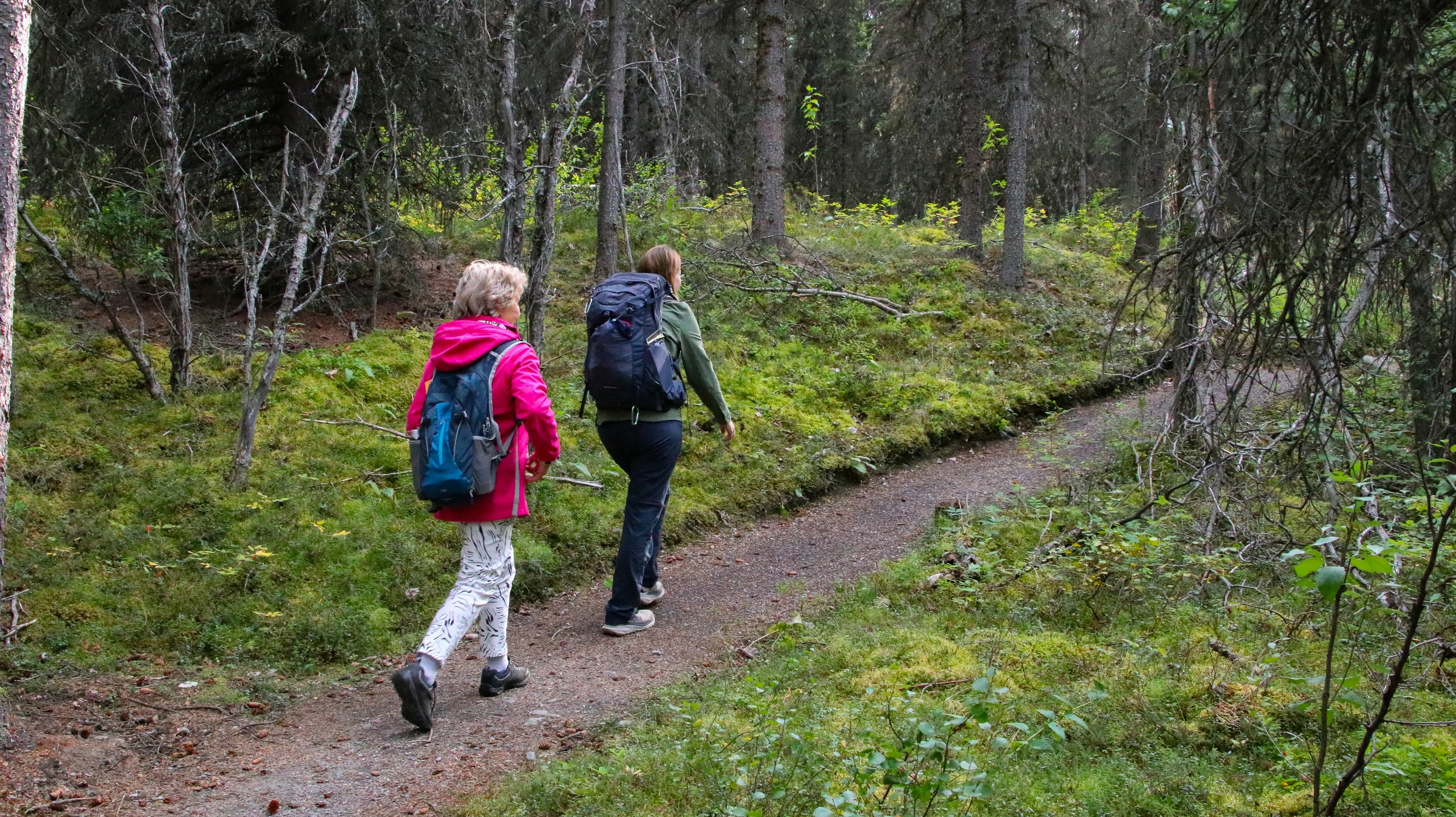
Chasing Light in Denali: An Afternoon Hike Across Taiga and Tundra
Trade the tour bus for tundra. This guided afternoon hike threads from shadowed spruce to open ridgeline, where Denali’s valleys breathe wide and the wind calls the cadence. Come for the views, stay for the stories beneath your boots.
Denali Park, Alaska