

Along the Rim: A Full-Day Canyon Hike Through Yellowstone’s Living Geology
Steam, stone, and a river that never rests—guided by a wildlife biologist, with lunch included.
The river makes the first move. You hear it before you see it—the steady thunder of the Upper Falls working its will on ancient rock—then the canyon opens like a door swinging wide. Steam lifts off the pines in thin ribbons, ravens ride the thermals with the nonchalance of locals, and the south rim path leans toward the void, eight feet wide with 1,500 feet of sky under your elbow. The Grand Canyon of the Yellowstone doesn’t speak in whispers. It urges your pace, tests your balance, and dares your senses to keep up.
Trail Wisdom
Respect the Rim
The south rim includes narrow sections with significant exposure—keep poles handy, slow your pace, and give oncoming hikers room to pass.
Hydrate at Altitude
Carry 2–3 liters of water; at ~8,000 feet you’ll dehydrate faster than you think, even on cool days.
Weather Swings Fast
Mountain storms can move in quickly—pack a light shell and an insulating layer even in summer.
Bear Aware Basics
Stay with the guide, make noise in brushy sections, and know how to use bear spray if carrying it.
Local Knowledge
Hidden Gems
- •Clear Lake thermal basin’s pastel-blue pool tucked just off the forest
- •Ribbon Lake meadows for a quiet lunch spot away from the rim crowds
Wildlife
Osprey hunting over the river, Bison grazing in Hayden Valley
Conservation Note
Thermal features and canyon rims are fragile—stay on established trails, pack out all trash, and keep a safe distance from wildlife (25 yards from most animals, 100 yards from bears and wolves).
Photographs by William Henry Jackson and paintings by Thomas Moran from the 1871 Hayden Survey helped spark the creation of Yellowstone in 1872.
Seasonal Guide
spring
Best for: Cool hiking temps, Wildlife activity
Challenges: Lingering snow/ice on trails, Mud and some area closures
Expect variable conditions—snow patches in shade and wet sections near thermal areas. Layers and waterproof footwear help.
summer
Best for: Longest daylight, Consistent trail access
Challenges: Crowds at marquee overlooks, Afternoon thunderstorms and heat on exposed rim
Start early to beat traffic and lightning. Carry extra water and sun protection for exposed sections.
fall
Best for: Crisp air and golden light, Elk rut soundscape
Challenges: Cold mornings, Chance of early snow and icy patches
A favorite time for fewer crowds and striking colors—bring a warm layer, gloves, and traction if conditions warrant.
winter
Best for: Solitude on closed vistas (road-dependent), Snow-based alternatives nearby
Challenges: Road closures, Icy, unsafe canyon edges (tour may not operate)
Most south rim hiking is inaccessible; consider guided snowshoe tours elsewhere in the park if you’re visiting mid-winter.
Photographer's Notes
What to Bring
Sturdy Hiking Boots or Shoes with TractionEssential
Rocky steps and rim exposure demand reliable grip and ankle support.
2–3L Hydration SystemEssential
High-altitude hiking and thermal area heat require steady hydration.
Sun Protection (Hat, Sunglasses, Sunscreen)Essential
Exposed rim sections reflect light from rock and water—protect skin and eyes.
Light Insulating/Wind LayerEssential
Mountain weather shifts quickly; a packable layer keeps breaks comfortable.
Common Questions
How far is the hike?
Distance varies with conditions and group pace, but most outings cover approximately 5–7 miles over 5–6 hours.
Is lunch included?
Yes—picnic lunch from a local cafe plus hearty snacks are provided, along with trekking poles and complimentary photos.
Is the hike suitable for kids?
Yes for most active children; the route includes exposure along the rim, so it’s best for attentive hikers, generally ages 8 and up.
What time does the tour start?
Plan to meet at 8:30 a.m. for a full day on the trail.
Are there bathrooms on the trail?
Restrooms are available at main trailheads and visitor areas; there are no facilities on most of the route—plan accordingly.
What if the weather changes?
Yellowstone weather is dynamic. The guide adjusts the route for safety; light rain usually doesn’t cancel, but severe weather may modify plans.
What to Pack
Hiking boots with solid traction (rim exposure and uneven tread demand it); 2–3L of water (altitude and dry air dehydrate fast); Sun hat and sunscreen (exposed rim reflects light); Light shell/insulating layer (mountain weather swings quickly).
Did You Know
Yellowstone’s Lower Falls drops about 308 feet—nearly twice the height of Niagara Falls—and its mist often creates rainbows visible from the south rim.
Quick Travel Tips
Enter the park early to avoid gate lines and secure parking; Expect limited cell service—download maps offline; Afternoon storms are common—plan main rim sections before 1 p.m.; Park entrance fees apply—have your pass or payment ready.
Local Flavor
After your hike, grab huckleberry ice cream at Canyon Village Marketplace. If you’re based in West Yellowstone, celebrate with a bison burger and a local IPA at Wild West Pizzeria & Saloon, then wander the Yellowstone Historic Center Museum to connect the day’s landscapes with the park’s early travel lore.
Logistics Snapshot
Closest airports: West Yellowstone (WYS, seasonal), Bozeman (BZN, ~2.5 hours), Jackson Hole (JAC, ~3 hours). Nearest trailheads: South Rim/Upper Falls area near Canyon Village (5–10 minutes by car). From West Yellowstone to Canyon: ~40 miles, 1–1.5 hours depending on traffic. Cell service: very limited—assume no signal on trail. Permits: No day-hiking permit required; park entrance pass needed. Meeting time: 8:30 a.m.; small-group cap of 8.
Sustainability Note
Stay on durable surfaces and give thermal features a wide berth—thin crusts can be dangerous and easily damaged. Pack out all trash and observe wildlife distances to minimize stress on animals in this heavily visited ecosystem.
Continue Reading

Canyon Wave: Rafting Denali’s Glacial Heart on the Nenana River
The Nenana River doesn’t whisper—it urges you forward. On the Canyon Wave run, you’ll punch through crisp, glacial rapids beneath Denali’s ramparts, trading roadside views for a front-row seat to Alaska’s wild hydraulics. Cold water, big smiles, and a canyon that knows how to keep pace.
Healy, Alaska
Chasing Light in Denali: An Afternoon Hike Across Taiga and Tundra
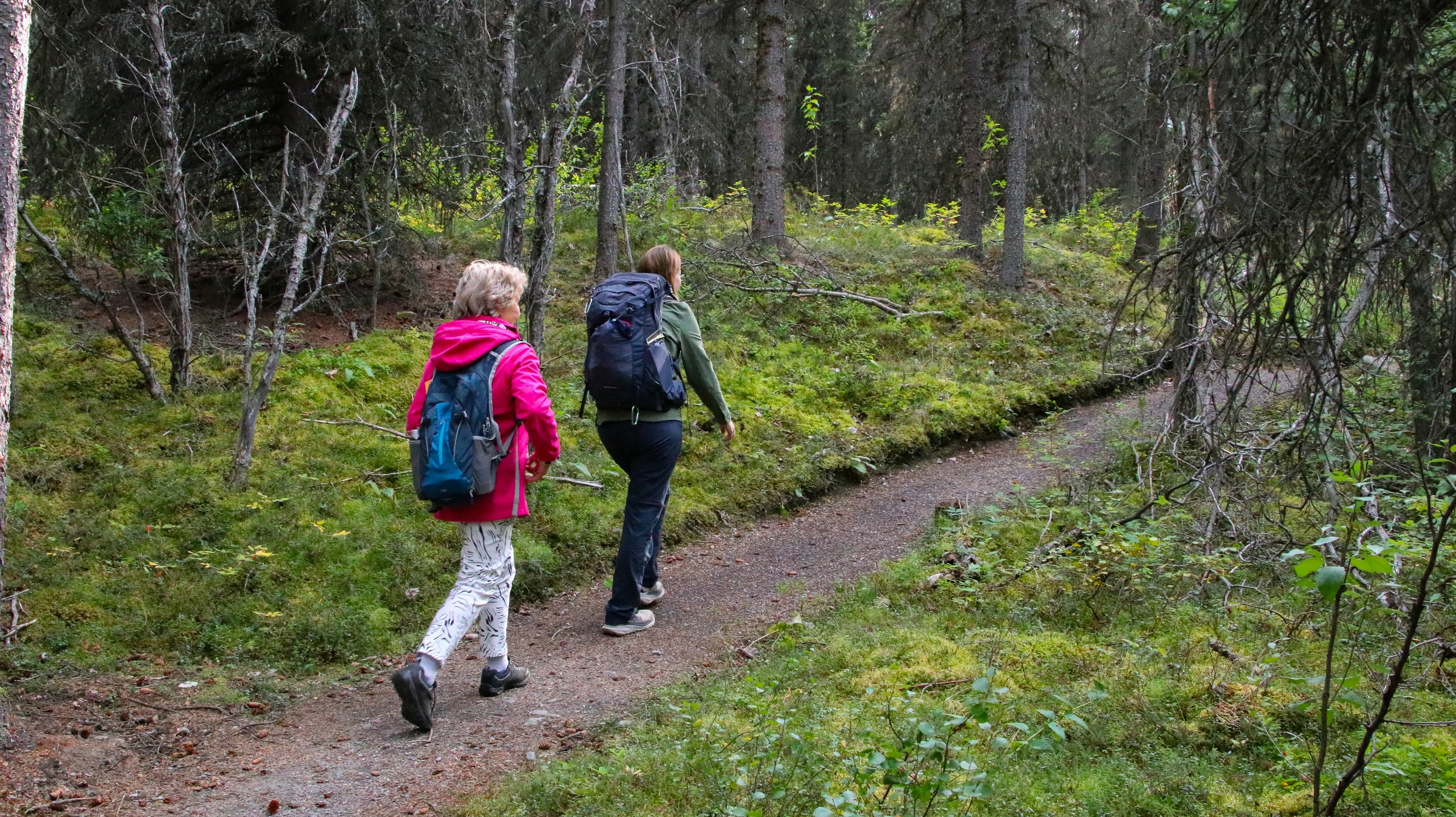
Trade the tour bus for tundra. This guided afternoon hike threads from shadowed spruce to open ridgeline, where Denali’s valleys breathe wide and the wind calls the cadence. Come for the views, stay for the stories beneath your boots.
Denali Park, Alaska