

Above the Blue: A Tasman Glacier Heli Hike in the Heart of Aoraki
Ride the rotor, lace the crampons, and walk among seracs on New Zealand’s longest glacier.
The helicopter lifts from Mount Cook Airport with a thrum that vibrates through your ribs, rising over braided riverbeds toward the white spine of the Southern Alps. Below, the world simplifies—moraine becomes a painter’s smear, the Tasman River braids tighten into calligraphy, and then the glacier arrives, cool and confident, a slow-moving country unto itself. The pilot banks toward a runway of ancient ice. The wind toys with loose strands of hair. The glacier waits, all blue-lit creases and stacked seracs, as if breathing.
Trail Wisdom
Layer Like a Local
Wear moisture-wicking base layers and a windproof shell; conditions swing quickly on the glacier.
Respect the Sun
High UV and ice reflection amplify exposure—use SPF 50+, a brimmed hat, and glacier-rated sunglasses.
Footwork Matters
Keep steps short, weight centered, and follow your guide’s footprints to avoid soft spots and hidden cracks.
Secure Your Camera
Cameras must be on a strap and manageable one-handed; drones, iPads, and selfie sticks aren’t allowed.
Local Knowledge
Hidden Gems
- •Red Tarns Track for sunset reflections of Aoraki, often with fewer people
- •Tasman Lake viewpoint near the Blue Lakes for close-up iceberg watching after your flight
Wildlife
Kea (alpine parrot), New Zealand pipit (pihoihoi)
Conservation Note
The glacier is retreating; stay on your guide’s line, pack out everything, and avoid disturbing fragile ice features and moraine plants.
Guiding in Aoraki/Mount Cook dates back over a century; today’s heli hikes carry that legacy forward with modern safety protocols.
Seasonal Guide
spring
Best for: Fresh snow accents on seracs, Cooler temps for hiking
Challenges: Changeable weather, Potentially softer afternoon snow
Shoulder-season windows can deliver dramatic contrast and fewer crowds; arrive flexible for weather holds.
summer
Best for: Stable flight conditions, Long daylight hours
Challenges: Intense UV and glare, Warmer, wetter surface snow by afternoon
Prime time for heli hiking with extended days. Start earlier to enjoy firmer morning ice and clearer skies.
fall
Best for: Crisp air and clearer vistas, Balanced temperatures
Challenges: Shortening daylight, Early-season cold snaps
Late summer into fall often brings reliable conditions and luminous evenings over the Tasman Valley.
winter
Best for: Crystal-clear air for photography, Firm surfaces for cramponing
Challenges: Cold temps and wind chill, Short days and weather systems
Expect beautiful, stark conditions with excellent surface texture. Dress warmer and plan for flexible timing.
Photographer's Notes
What to Bring
Polarized Glacier Sunglasses (Category 3–4)Essential
Cuts harsh glare off the ice and protects from strong alpine UV.
Merino or Synthetic Base LayerEssential
Keeps you warm while wicking sweat during stop-and-go hiking on the glacier.
Insulated, Waterproof GlovesEssential
Maintains dexterity while gripping poles and touching cold ice features.
Compact Camera with Strap
A small mirrorless or phone on a lanyard is easy to manage and aircraft-compliant.
Common Questions
How long is the hike and how technical is it?
You’ll spend about two hours walking on the glacier with a guide. The route is non-technical; crampon use is taught on-site and tailored to group ability.
What happens if the weather turns bad?
Flights are weather-dependent. If your trip is canceled due to conditions, you can rebook to another time/day or receive a full refund.
What should I wear?
Wear 3–4 warm layers (no cotton or jeans), long pants or leggings, and bring sun protection. Boots, crampons, poles, and a waterproof jacket are provided.
Is there an age or weight limit?
Minimum age is 10 years, and the maximum allowable weight for a rear helicopter seat is 150 kg. Participants should be steady on uneven terrain.
Are ice caves guaranteed?
No. Caves are ephemeral and only visited when conditions are stable and safe. Your guide will assess on the day.
I’m nervous about helicopters—should I still go?
Pilots are highly experienced in mountain flying and follow strict Civil Aviation Authority standards. You’ll receive a full safety briefing before boarding.
What to Pack
High-SPF sunscreen and glacier sunglasses for intense UV; 3–4 breathable layers to adapt to wind and sun; insulated waterproof gloves to handle cold ice and poles; compact camera with strap for safe, quick shots on the move.
Did You Know
Tasman Glacier is New Zealand’s longest at ~27 km and has retreated rapidly since the 1970s, forming Tasman Lake, which continues to grow as the glacier thins and calves.
Quick Travel Tips
Book early in your trip to allow a weather buffer; call 24 hours prior for a conditions check. Stay in Aoraki/Mount Cook Village for easy access to the airport. Eat a solid meal beforehand—there’s no café on the glacier. Bring a small daypack only—no loose bags or drones are allowed.
Local Flavor
After landing, head to The Old Mountaineers’ Cafe for venison pies and alpine views, or the Hermitage Hotel’s Alpine Restaurant for a hearty post-hike dinner. For a casual pint with climber lore, the Chamois Bar & Grill delivers village buzz and mountain stories on tap. Pop into the Sir Edmund Hillary Alpine Centre for context on Aoraki’s mountaineering legacy.
Logistics Snapshot
Closest airports: Queenstown (ZQN ~3.5–4 hrs), Christchurch (CHC ~4.5 hrs). Meet at Mount Cook Airport (5–10 minutes from Aoraki/Mount Cook Village). Expect spotty cell coverage in the valley; download confirmations offline. No permits needed for guided heli hikes—your operator handles permissions and gear.
Sustainability Note
You’re walking on a dynamic, sensitive glacier within Aoraki/Mount Cook National Park—pack out all waste, follow your guide’s route, and leave formations untouched. Drones are prohibited to protect wildlife and preserve wilderness values.
Continue Reading

Canyon Wave: Rafting Denali’s Glacial Heart on the Nenana River
The Nenana River doesn’t whisper—it urges you forward. On the Canyon Wave run, you’ll punch through crisp, glacial rapids beneath Denali’s ramparts, trading roadside views for a front-row seat to Alaska’s wild hydraulics. Cold water, big smiles, and a canyon that knows how to keep pace.
Healy, Alaska
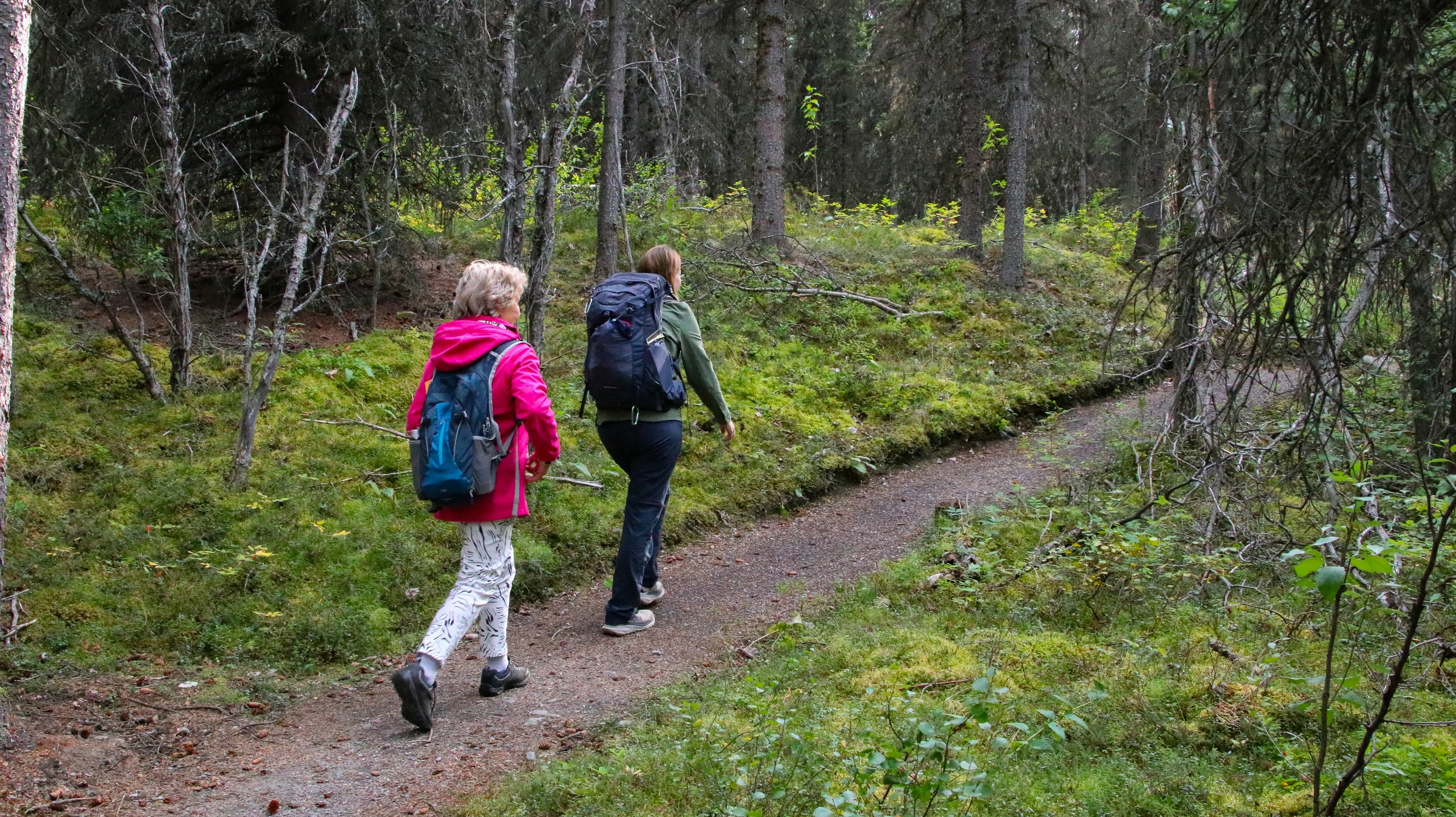
Chasing Light in Denali: An Afternoon Hike Across Taiga and Tundra
Trade the tour bus for tundra. This guided afternoon hike threads from shadowed spruce to open ridgeline, where Denali’s valleys breathe wide and the wind calls the cadence. Come for the views, stay for the stories beneath your boots.
Denali Park, Alaska